Remodel vs. Move in the Midwest: The 2026 Cost Breakdown
Weighing remodel vs. move in 2026? Compare Midwest moving costs, mortgage lock-in math, and real Cost vs. Value recoup rates for Grand Rapids and beyond.
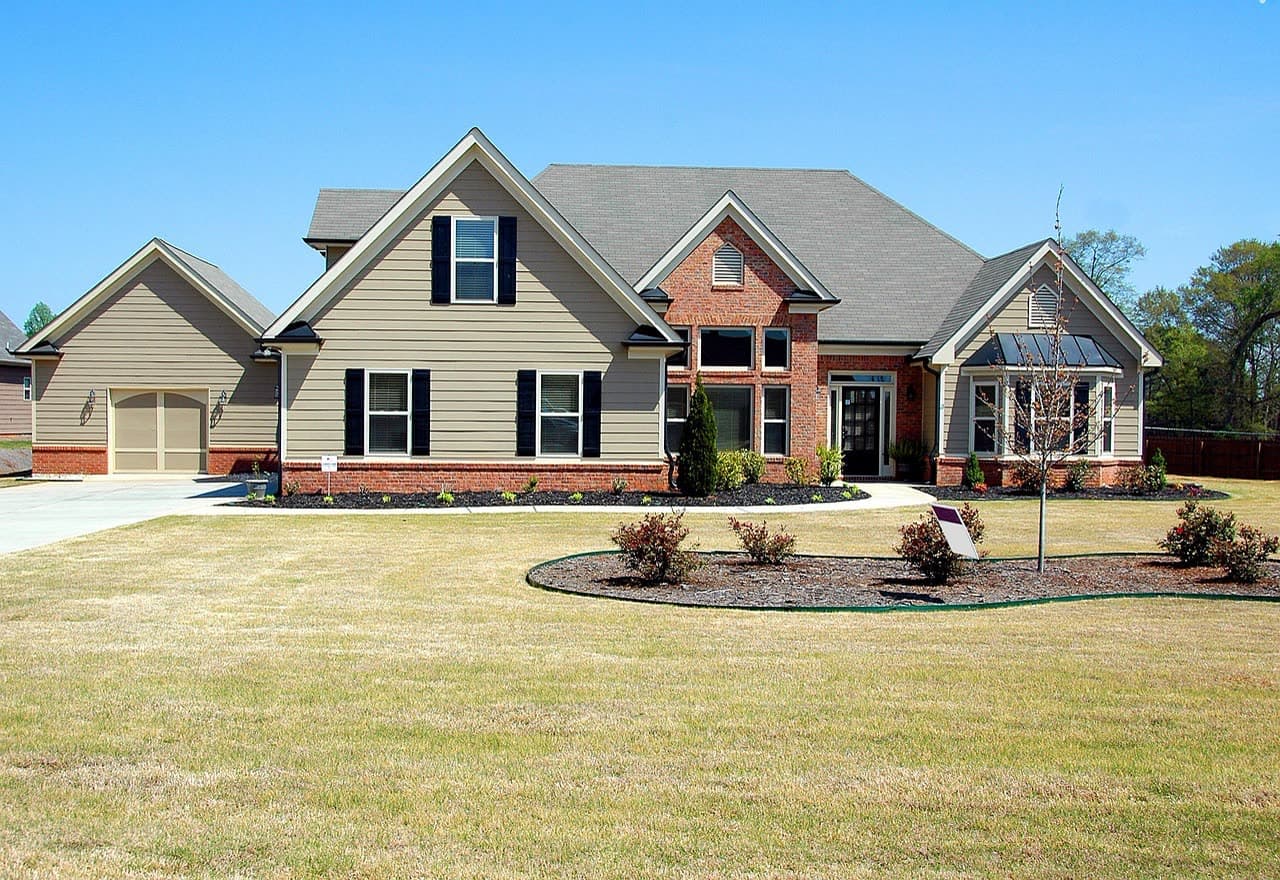
For most Midwest homeowners locked into a mortgage rate below today's market, adding onto the house they already own costs less over five or more years than selling and buying comparable space elsewhere. That math flips once the addition's price tag crosses roughly what moving costs plus what the addition fails to recoup at resale.
Is It Cheaper to Remodel or Move in 2026?
Whether remodeling or moving costs less depends on four numbers: years you'll stay, the share of home value transaction costs eat if you sell, how far today's mortgage rate sits above your locked-in rate, and what a remodel would recoup at resale if you sold later anyway. Run those four together and the answer usually stops being a guess.
- Years you'll stay. The longer you stay, the more a remodel's cost spreads out per year of use, while a move's transaction hit is a one-time charge no matter how long you keep the new house.
- Transaction cost percentage. What selling and buying actually take off the top, covered in the next section, is the single biggest number most homeowners underestimate.
- Mortgage rate delta. The gap between your current rate and today's rate becomes a recurring cost on the new loan, not a one-time fee.
- Addition recoup rate. What a project like a primary suite addition gets back at resale, versus what it cost to build, tells you how much of that spend you'd lose either way if you sold in a few years.
What Does Selling and Buying Actually Cost in the Midwest?
Selling your current house and buying a replacement stacks several costs that a remodel never triggers. On a Grand Rapids-area home at the metro's median property value of $244,500 (Data USA, Grand Rapids, MI profile, 2024 estimate, retrieved 2026-08-13), commission, purchase-side closing costs, and a local move add up to roughly $26,600 before you've paid a dollar more for a bigger house.
Michigan's average combined real estate commission is 6.20% (3.09% listing side plus 3.11% buyer side), the highest of any state in a 2026 national survey and well above the 5.70% national average (List With Clever, Average Real Estate Agent Commission Rates, 2026, retrieved 2026-08-13). On $244,500, that's about $15,159 gone before closing. Purchase-side closing costs on the next home typically run 2% to 5% of the purchase price (Consumer Financial Protection Bureau, retrieved 2026-08-13); using a 4% estimate within that range on a comparable $244,500 replacement home, that's roughly $9,780. A local, same-metro move averages $1,696 (HomeAdvisor, How Much Do Movers Cost?, retrieved 2026-08-13). Add those three together, commission plus closing costs plus moving, and you land close to $26,600 in transaction cost alone, on a like-for-like move, before any price difference between the old house and the new one.
There's a fourth cost this math doesn't capture: the "cost to carry" during the gap between selling and closing on the next house, whether that's a bridge loan, two mortgage payments overlapping, temporary housing, or storage. That cost is real but household-specific enough that no single published figure applies to every seller, so treat it as an added line item to estimate for your own situation rather than a number this article can hand you.
How Does Your Mortgage Rate Change the Math?
If you financed or refinanced during the low-rate years, moving doesn't just cost commission and closing fees, it also means giving up your current rate and financing the same balance at whatever today's rate is. That gap functions as a hidden, ongoing tax on the decision to move, on top of the one-time transaction costs above.
The average 30-year fixed rate for full-year 2021 was 3.15% (Bankrate, Mortgage Rate History: 1970s to 2026, retrieved 2026-08-13), while the 30-year fixed rate for the week of August 13, 2026 sits at 6.67% (Mortgage News Daily, Freddie Mac Mortgage Rates, retrieved 2026-08-13). That's a 3.52 percentage point gap between what many Midwest homeowners are paying now and what a new loan would cost.
The Rate Lock-In Number, Worked Out
Take a representative remaining mortgage balance of $200,000. Financed at 3.15% over 30 years, principal and interest run approximately $859 a month. Financed at 6.67% over 30 years, the same $200,000 balance costs approximately $1,287 a month. That's a difference of roughly $427 a month, or about $5,125 a year, just from financing the same amount of debt at today's rate instead of a 2021-vintage rate. This is an illustrative calculation using the two published rates above (Bankrate and Mortgage News Daily), not a separately sourced statistic; the two input rates each carry their own citation.
What Do You Actually Get Back When You Remodel?
Not every renovation pays for itself the same way. Smaller, targeted projects like a minor kitchen remodel recoup nearly all of their cost at resale in the Midwest, while larger additions recoup roughly a third, which changes how you should justify each type of project.
Percentage of Project Cost Recouped at Resale (2025)
Source: Zonda, 2025 Cost vs. Value Report, East North Central regional and Grand Rapids, MI metro figures, retrieved 2026-08-13.
A kitchen refresh in the Midwest pays for nearly all of itself at resale, but a primary suite addition recoups only about a third of its cost, so the case for building on has to be made on years of use, not on equity recovered.
That gap matters for the remodel-vs-move decision specifically: if you're weighing a primary suite addition against moving to a bigger house, don't count on getting most of that addition's cost back if you sell in a few years. If you're weighing a kitchen or bath update instead, the resale math is far more forgiving. For a deeper look at addition economics specifically, see our full ROI breakdown for Midwest home additions.
Can Your Lot Even Support the Addition You Want?
Before the cost comparison matters at all, confirm your lot can physically support what you're picturing. Check your municipality's setback requirements, maximum lot coverage percentage, and any recorded easements, then have a contractor assess soil and foundation conditions before you commit to a design.
- Setbacks. Most municipalities require a minimum distance from property lines; a lot that's tight on one side may rule out a full-width addition.
- Lot coverage maximum. Many Midwest municipalities cap the percentage of a lot that structures can occupy, which limits how much you can add regardless of budget.
- Easements. Utility or drainage easements can block construction in exactly the spot you want to build.
- Foundation and soil. Older Midwest lots sometimes have soil or drainage conditions that add engineering cost before framing even starts.
Most Midwest municipalities require a building permit for any addition that adds square footage or alters the structural envelope, along with a zoning and setback review; requirements vary by municipality, so verify with your local building department before you assume a project fits. If your lot can't support a full addition, smaller options may still work: see our guides on bump-out additions versus full additions and ADU costs in the Midwest for narrower-scope alternatives that don't require moving.
What Are You Really Weighing Beyond the Dollars?
The dollar math above sets a floor, but most Midwest homeowners make this decision on a mix of financial and non-financial factors, and ignoring the second half leads to regret even when the numbers say "move." School district continuity, commute distance, and how much disruption you can tolerate during construction all deserve real weight.
Try a simple scoring exercise: list school district, commute, neighborhood attachment, and tolerance for construction disruption, then rate each 1 to 5 for both staying and moving. If remodeling wins on dollars but moving wins clearly on the non-financial list, that's useful information, not a contradiction to resolve. Construction disruption in particular deserves realistic expectations going in; see our guide to realistic Midwest remodel timelines for what living through a project actually looks like week by week.
So: Remodel or Move? A Simple Decision Framework
Put the pieces together and a workable rule emerges: if you're staying 7 or more years and your addition costs less than what selling would (about $26,600 in commission, closing costs, and moving, plus your rate lock-in), remodeling almost always wins. Leaving within 2 to 3 years, or a pricier addition, makes moving worth a serious look.
Run your own numbers before deciding either way; run your own numbers with our home improvement ROI calculator using your actual home value, your actual locked-in rate, and the specific project you're considering instead of the Grand Rapids figures used here as a worked example.
If the math points toward building on, Grand Rapids home addition contractors can walk your specific lot and budget. Above Board Pros screens contractors in the Grand Rapids-area home improvement network against official state business registries where our automated check reaches that state, before they're listed, and the same screened network covers the rest of Michigan if your search extends beyond Grand Rapids.
Frequently Asked Questions
- Is it cheaper to renovate or move in 2026?
- For most Midwest homeowners staying put for 5 or more years, renovating is cheaper once you count what a sale actually costs: real estate commission, purchase-side closing costs, and moving fees alone run roughly $26,600 on a Grand Rapids-area median home, before any price difference between the old and new house. Moving becomes the better math only when the addition you want costs more than that transaction total plus what it would fail to recoup at resale, or when you plan to leave within a few years anyway.
- How much does it cost to sell a house and buy another in the Midwest?
- On a $244,500 Grand Rapids-area home, Michigan's 6.20% average combined real estate commission runs about $15,159, purchase-side closing costs on a comparable replacement home add roughly $4,890 to $12,225, and a local move averages $1,696. That is close to $26,600 in pure transaction cost before you factor in any gap between what you sell for and what you pay for the next house.
- What is the ROI on a home addition compared to a kitchen or bathroom remodel?
- A minor kitchen remodel recoups about 101.2% of its cost at resale in the East North Central region, and a midrange bath remodel recoups about 70.9%. A midrange primary suite addition recoups only about 33.9% regionally (34.4% in Grand Rapids specifically), so an addition has to be justified by years of use, not by equity you expect to get back.
- Does my current mortgage rate really change the remodel-vs-move decision?
- Yes. The average 30-year rate in 2021 was 3.15%, versus 6.67% as of mid-August 2026, a 3.52-point gap. On a representative $200,000 remaining balance, refinancing that balance at today's rate instead of your locked-in rate adds roughly $427 a month, or about $5,125 a year, in interest alone, which functions as a permanent tax on moving.
- Should I remodel before selling my house, or sell as-is?
- That is a separate decision from remodel-vs-move, because it assumes you have already decided to sell. If you are still deciding whether to sell at all, work through the transaction-cost and mortgage-rate math in this article first, then treat pre-sale improvements as their own question once selling is confirmed.
- How do I know if my lot can support the addition I want?
- Start with your municipality's setback rules, maximum lot coverage percentage, and any easements on file, then have a contractor check soil and foundation conditions before you commit to a design. If your lot can't support a full addition, a bump-out or an accessory dwelling unit may still fit; both are worth comparing before you assume moving is your only option.
- What Midwest home improvements add the most value at resale?
- Minor kitchen remodels lead the region at roughly 101.2% of cost recouped, followed by bath remodels at around 70.9%. Larger projects like primary suite additions recoup far less, around a third of cost, which is why smaller, targeted updates tend to outperform major additions on pure resale math even though additions add more livable space.