ADU Cost in the Midwest 2026: Budget and Feasibility
Midwest ADUs cost $50,000-$250,000 in 2026. Compare detached, attached, and conversion pricing by state plus zoning, financing, and rental ROI data.
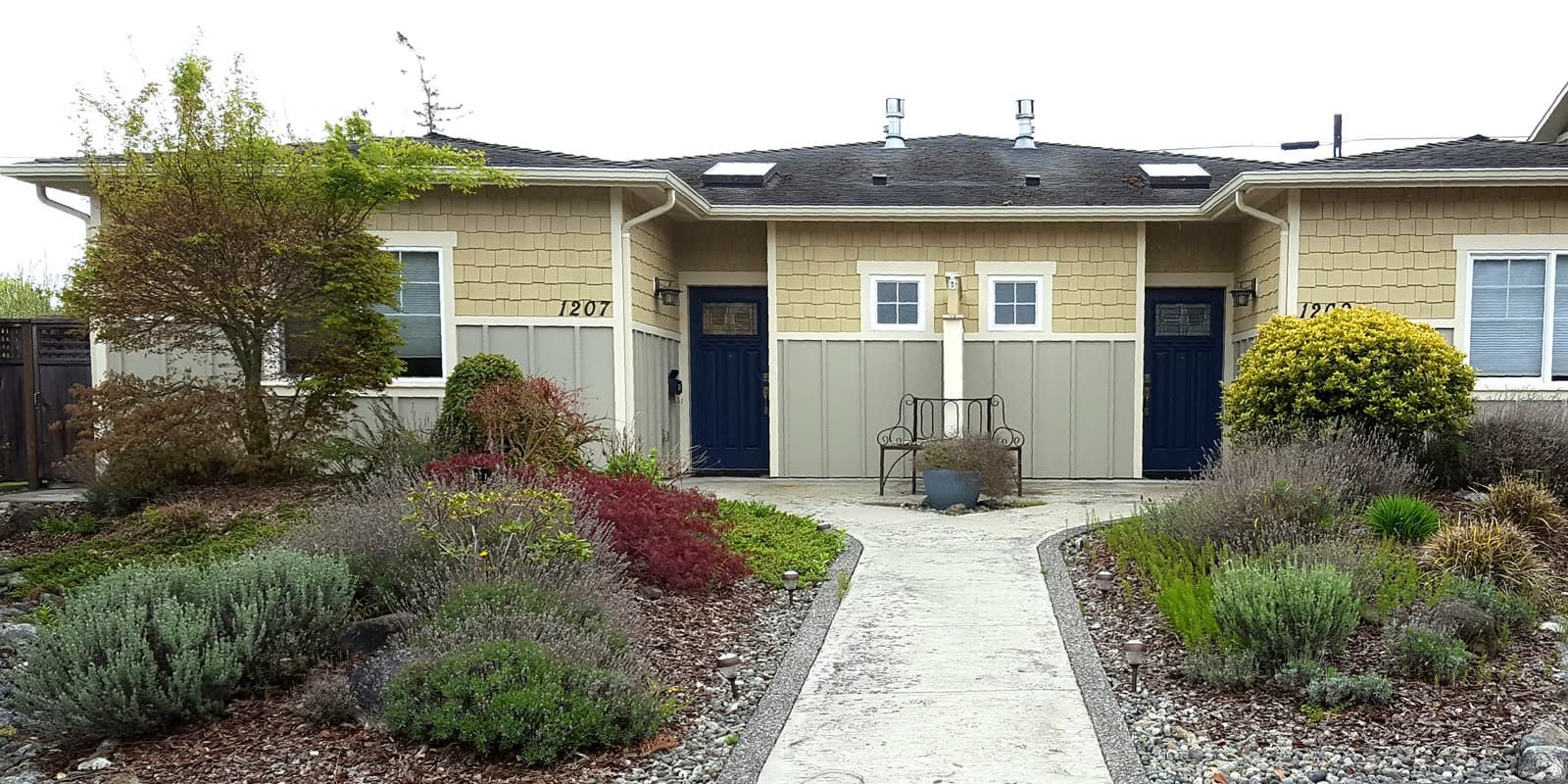
An accessory dwelling unit, or ADU, is a smaller secondary home built on the same lot as your primary residence, and interest in building one is climbing fast around Council Bluffs now that Iowa has legalized ADUs statewide.
A Midwest ADU costs $50,000 to $250,000 in 2026, whether you convert an existing garage, add an attached in-law suite, or build a freestanding backyard cottage from the ground up. The type of ADU you choose drives most of that spread, followed by size, finish level, and how much site work your specific lot requires.
What Does an ADU Cost in the Midwest in 2026?
A Midwest ADU costs $50,000 to $250,000 in 2026: garage conversions and prefab units land near $80,000, while attached and detached builds run $90,000 to $250,000. The West North Central region's average job cost for a full ADU project is $164,402 (JLC/Zonda 2025 Cost vs. Value Report, West North Central, retrieved 2026-07-21).
Four variables move that range: which type of ADU you build (conversion versus ground-up), how large it is, the finish level (basic rental unit versus a full in-law suite with premium fixtures), and how much site work your lot requires. Iowa's frost-line foundation depth, covered below, is a real cost driver that a national cost guide won't tell you about.
How Do ADU Types Compare in Cost?
Garage conversions are the cheapest ADU type because they reuse an existing foundation and shell, while ground-up detached ADUs cost the most since they require new foundation, framing, roofing, and full utility runs. Midpoint pricing for a 700 square foot unit ranges from about $80,000 for a conversion to $140,000 for a detached build.
That midpoint pricing comes from national per-square-foot and total-cost ranges normalized to a 700 square foot unit (ProjectCostRange, "How Much Does It Cost to Build an ADU in 2026?", retrieved 2026-07-21). Midwest projects generally track at or below these national figures given lower regional labor costs.
The takeaway: reusing an existing structure is what saves money. Garage conversion and prefab options cluster near $80,000 to $84,000, while attached and detached builds that require new foundation and framing run $40,000 to $85,000 higher.
Detached ADU
A detached, ground-up ADU runs $150 to $250 per square foot, or roughly $90,000 to $200,000 for a 600 to 800 square foot unit. This is the most flexible option since it's a fully separate structure with its own foundation, roof, and utility connections, but it's also the most expensive because there's no existing shell to build from.
Attached ADU / In-Law Suite
An attached ADU or in-law suite, built as an addition off the primary home, runs $125 to $225 per square foot. Sharing a wall with the main house cuts some foundation and exterior-envelope costs versus a detached unit, but the tradeoff is less separation from the primary household, which matters for a long-term rental.
Garage Conversion ADU
Converting an existing attached or detached garage runs $20,000 to $140,000 total, the cheapest path to a legal ADU because the foundation, walls, and roof already exist. We cover the full conversion cost breakdown, cold-climate tradeoffs, and ROI in a dedicated garage conversion cost and ROI breakdown.
Prefab / Modular ADU
A prefab or modular ADU runs $80 to $160 per square foot delivered and set. Factory construction shortens the on-site timeline, which matters in a Midwest market where the outdoor construction season is compressed by winter weather.
How Much Does ADU Cost Vary Across Midwest States?
ADU costs in the Midwest cluster tightly around a $150,000 to $170,000 job cost for a full project, with Iowa cities running slightly below the regional average and Minneapolis running above it. The West North Central regional average job cost is $164,402, and the national average is $166,406 (JLC/Zonda 2025 Cost vs. Value Report, West North Central, retrieved 2026-07-21).
Iowa's own cities sit near the low end of that range. Des Moines and Cedar Rapids both report an ADU job cost of $151,798, with resale values of $52,520 and $50,393 respectively (34.6% and 33.2% cost recouped). Across the river, Omaha, Nebraska, the closest scraped comparison city to Council Bluffs, reports a job cost of $153,798 and resale of $47,946 (31.2% recouped). Kansas City, Missouri runs slightly higher at $160,424, while Minneapolis, Minnesota tops the region at $169,673 with the strongest resale performance in the data set, $81,180, or 47.8% recouped (JLC/Zonda 2025 Cost vs. Value Report, West North Central, retrieved 2026-07-21).
Council Bluffs itself, population 62,586 with a median household income of $64,578 (Data USA, Council Bluffs, IA, retrieved 2026-07-21), isn't individually tracked in the Cost vs. Value data set, so Omaha is the closest real comparison: it's the cross-river metro partner in the same labor and materials market. Homeowners planning an ADU on the Iowa side of that market should budget for Iowa's deeper frost-line foundation requirement, covered in the zoning section below, which Omaha builds don't face.
What Does an ADU Cost Per Square Foot in the Midwest?
Per-square-foot ADU costs in the Midwest run $80 to $250, with the type of unit determining where in that range you land: prefab and garage conversions sit at the low end, ground-up detached units at the high end (see the chart above for a full breakdown by type).
For comparison, a standard home addition (not a legally separate ADU) typically runs a narrower band because it doesn't require a second kitchen, a separate entrance, or independent utility service. If you're weighing an ADU against simply adding square footage to your existing home, our home addition cost estimator walks through that comparison in detail. The extra cost of an ADU buys you a legally independent, rentable unit, which a standard addition does not provide.
Can You Legally Build an ADU in the Midwest? Zoning and Permitting
Yes: as of July 1, 2025, Iowa requires every city and county to allow at least one ADU on any single-family residential lot, and most other Midwest states permit ADUs at the local zoning level with varying restrictions. Iowa's Senate File 592 made it the 14th state to legalize ADUs statewide.
That law caps unit size at 1,000 square feet or 50% of the primary home's size, whichever is larger (Iowa REALTORS, "Iowa Lawmakers Clarify Rules for Accessory Dwelling Units", retrieved 2026-07-21).
A 2026 follow-up bill, SF2629, clarified two details that matter to homeowners: counties may only restrict ADUs in historic districts if the local preservation commission formally documents a negative impact on historic character, and "size" is defined as gross living area, excluding garages, decks, and unheated porches, with unfinished basements excluded from the size calculation entirely (Iowa REALTORS, retrieved 2026-07-21).
Council Bluffs homeowners apply through the city's online Customer Portal; direct any project-specific fee questions to the city's Building Division, since Council Bluffs doesn't publish a flat ADU permit fee schedule (City of Council Bluffs, Permit Applications, retrieved 2026-07-21). One Iowa-specific cost driver: the state requires 42 to 48 inch footing depth for frost protection statewide, compared to 36 inches across the river in the Omaha, Nebraska metro (ProGrade Calculators, "50-State Frost Line Depth Reference Guide", retrieved 2026-07-21). That deeper footing requirement adds real foundation cost to a ground-up detached ADU on the Iowa side that a comparable Omaha build won't see.
If you're deciding between an attached ADU and simply expanding your existing footprint, the permitting and scope tradeoffs are similar to the ones we cover in our bump-out vs. full addition guide, since both involve weighing added square footage against permit complexity.
How Do Homeowners Finance an ADU in the Midwest?
Midwest homeowners typically finance an ADU with a construction or renovation loan, a HELOC against existing equity, or a cash-out refinance. A 2023 FHA policy change and a 2026 Fannie Mae update both now let documented or fair-market ADU rental income count toward the borrower's qualifying income for that financing.
Under HUD Mortgagee Letter 2023-17, FHA-insured mortgages on a property with an existing, rented ADU can count 75% of the lesser of documented rental income or fair-market rent toward the borrower's qualifying income (HUD, Mortgagee Letter 2023-17, "Revisions to Rental Income Policies, Property Eligibility, and Minimum Property Requirements for Accessory Dwelling Units", retrieved 2026-07-21; plain-language summary via Intercap Lending).
Fannie Mae added a comparable conventional-loan allowance effective with its Desktop Underwriter (DU) 12.1 release the weekend of March 21, 2026, letting ADU rental income count toward qualifying income on conventional mortgages (PennyMac Correspondent Group, Announcement 26-29, retrieved 2026-07-21). Together, these two changes mean a Council Bluffs homeowner planning to rent out a new ADU can now factor that future income into how much home they can finance, rather than qualifying purely on existing income.
What's the ROI on a Midwest ADU? Rental Income and Resale Value
At resale, a Midwest ADU recoups roughly 31% to 48% of its build cost, with Minneapolis at the high end and Omaha at the low end (JLC/Zonda 2025 Cost vs. Value Report, West North Central, retrieved 2026-07-21). Resale alone rarely justifies an ADU; the stronger financial case comes from rental income during ownership.
Council Bluffs' median rent runs $1,100 per month overall, with a one-bedroom near $950 and a two-bedroom near $1,117 (Zumper, Council Bluffs, IA Rent Report, retrieved 2026-07-21). Across the river, Omaha's average rent runs $1,337 per month, with a one-bedroom near $1,178 (RentCafe, Omaha, NE Average Rent & Market Trends, retrieved 2026-07-21). A well-built, fully permitted ADU renting at even the lower Council Bluffs end can generate $11,000 to $13,000 a year before expenses, and industry estimates put the value uplift from a fully permitted ADU at roughly 10% to 35% of the home's value, with 30% cited as a common figure in markets with active ADU demand (HomeLight, "How Much Value Does an Accessory Dwelling Unit Add?", retrieved 2026-07-21).
The math changes based on your plan: if you intend to rent long-term, run your own rent-versus-payment breakeven using local rates above rather than relying on resale recoupment alone. If you're building primarily for resale within a few years, expect the 31% to 48% Cost vs. Value range and treat rental income as a bonus, not the primary return.
How Do You Choose an ADU Contractor in the Midwest?
Choose a Midwest ADU contractor who has pulled ADU-specific permits in your city before, since separate-utility, egress, and setback rules differ from a standard addition and an unfamiliar contractor can cost you a mid-project redesign. Confirm active licensing, check references from completed ADU projects, and get a written scope with foundation and utility work as separate line items.
Ask specifically for photos and references from at least two completed ADU projects, not just standard additions, and make sure the written scope breaks out site work, foundation, and utility connections as distinct line items given how much frost-depth foundation work can swing an Iowa bid.
For Council Bluffs homeowners ready to get quotes, Above Board Pros connects you with screened home addition contractors in Council Bluffs, Iowa who can scope a detached, attached, or garage-conversion ADU against your specific lot and budget.
Frequently Asked Questions
- How much does an ADU cost to build in the Midwest?
- A Midwest accessory dwelling unit costs $50,000 to $250,000 in 2026, depending on type and size. Garage conversions run $20,000 to $140,000. Attached ADUs run roughly $87,500 to $157,500 for a typical 700 square foot unit. Detached, ground-up ADUs run $80,000 to $250,000. The West North Central regional average job cost for a full ADU project is $164,402 (JLC/Zonda 2025 Cost vs. Value Report).
- Is it cheaper to build a detached ADU or convert a garage in the Midwest?
- Garage conversion is almost always cheaper, running $20,000 to $140,000 versus $80,000 to $250,000 for a detached, ground-up unit, because it reuses an existing foundation, roof, and walls. The tradeoff: a detached ADU gives you a separate structure with its own utilities and no loss of parking, which matters in Midwest winters where a garage is worth more than in mild climates.
- Can I build an ADU in Iowa, including at a Council Bluffs property?
- Yes. Iowa's Senate File 592, signed in May 2025, requires every city and county to allow at least one ADU on any single-family residential lot statewide, effective July 1, 2025. A 2026 follow-up bill, SF2629, clarified size rules and historic-district exceptions. Council Bluffs, as an Iowa municipality, must permit ADUs subject to local setback and design standards through its Building Division.
- How do you finance an ADU in the Midwest?
- Common paths are a construction or renovation loan, a HELOC against existing home equity, or a cash-out refinance. FHA loans can count 75% of documented or fair-market ADU rental income toward a borrower's qualifying income under HUD Mortgagee Letter 2023-17. Fannie Mae added a similar conventional-loan allowance with its Desktop Underwriter 12.1 update in March 2026.
- What's the ROI on a Midwest ADU if you rent it out?
- At resale, a Midwest ADU recoups roughly 31% to 48% of its cost depending on the city, per the JLC/Zonda 2025 Cost vs. Value Report. The stronger return usually comes from rental income: a Council Bluffs-area ADU renting near the local one- or two-bedroom market rate can generate meaningful monthly cash flow that resale value alone does not capture.
- Do you need separate utility meters for a Midwest ADU?
- It depends on your city's building code and whether you plan to rent the unit long-term. Many Midwest jurisdictions allow a detached ADU to share the primary home's water and electric service through sub-metering, but separate meters simplify billing a tenant directly and are often required for units intended as a distinct rental. Check with your local Building Division before finalizing utility plans.
- How long does it take to build an ADU in the Midwest?
- Design, permitting, and construction typically run 10 to 18 months nationally: roughly 2 to 4 months of design, 3 to 9 months for permit review, and 5 to 7 months of construction (SnapADU, 'How Long Does It Take to Build an ADU?', a California-based national estimate, not Midwest-specific). In the Midwest, frost-line foundation work and winter shutdowns can stretch the construction phase further, so most homeowners target a spring contract start to close in the structure before the following winter.