Steel, Fiberglass, or Wood Entry Doors: Midwest Guide 2026
Steel, fiberglass, or wood entry door for a Midwest home? Compare R-value, freeze-thaw durability, cost, and 2026 ROI data by region.
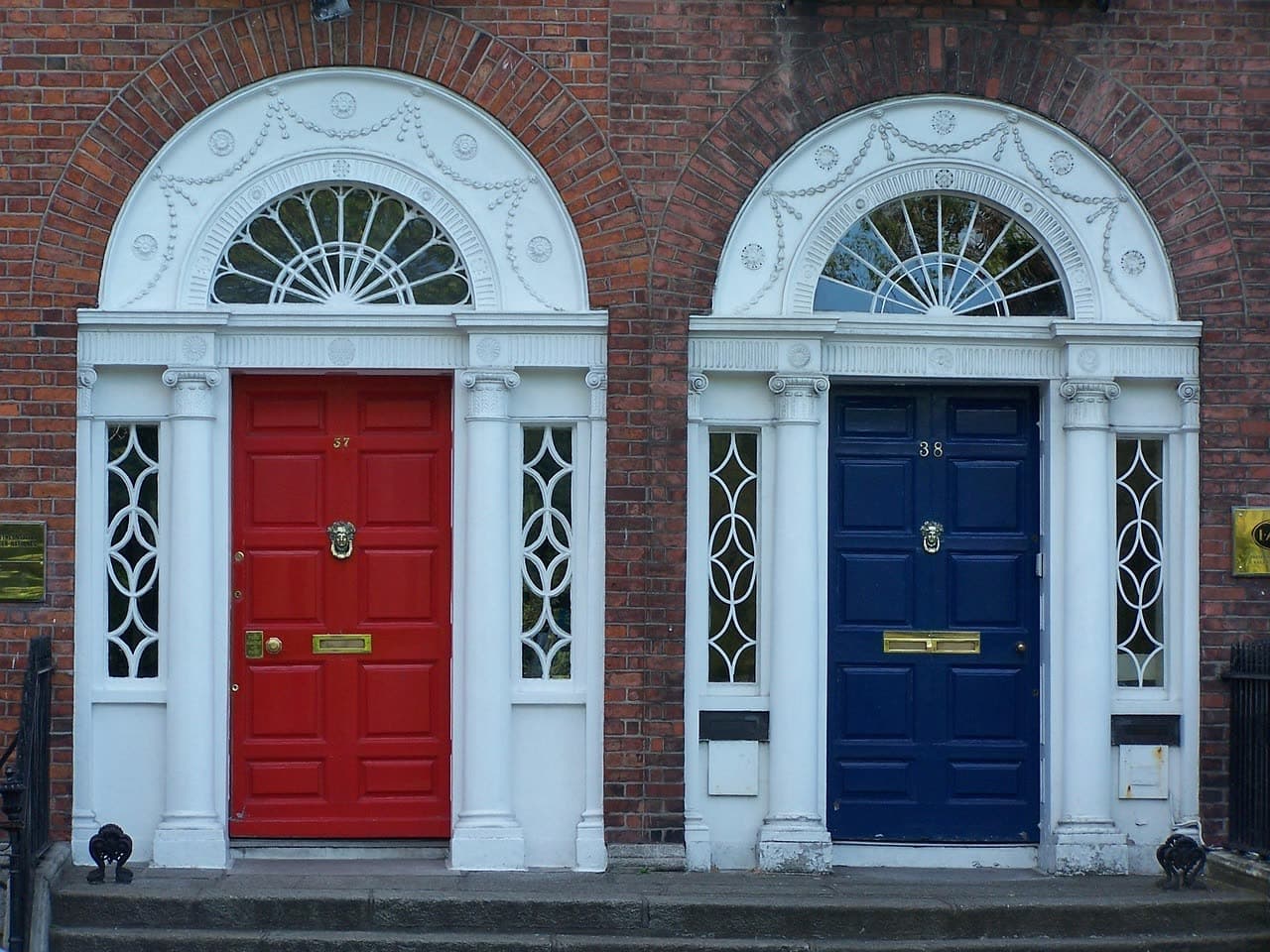
Replacing a worn or drafty entry door in the Midwest usually comes down to a three-way choice: steel vs. fiberglass vs. wood. Fiberglass is generally the best all-around material for freeze-thaw winters and humid summers, with steel a close second on cost and security. Wood offers the most classic look but needs the most upkeep. The right pick depends on your budget, maintenance tolerance, and curb-appeal priorities.
| Material | R-Value (slab only) | Typical Service Life | Maintenance Profile |
|---|---|---|---|
| Steel | R-5 to R-6 | 25-35 years in Midwest freeze-thaw climates; repaint every 5-7 years | Moderate; watch for thermal bowing on dark, sun-exposed finishes |
| Fiberglass | R-5 to R-7 | Lifetime limited warranty on the slab itself from major manufacturers | Lowest; resists corrosion, denting, and humidity-driven swelling |
| Wood | R-2 to R-4 | Rated "as long as the house exists" by NAHB, when properly finished and maintained | Highest; refinish on a manufacturer's schedule and seal all six faces |
Which Entry Door Material Is Best for Cold Midwest Winters?
Fiberglass edges out steel and wood for most Midwest homes because it resists the two failure modes that hit hardest here: it won't corrode or bow like steel under temperature swings, and it won't swell or stick like wood as humidity shifts between seasons. Steel remains a strong, budget-friendly runner-up, and wood suits homeowners who value the look over convenience.
A quick way to sort the decision by what you care about most:
- Tightest budget: Steel. It's typically the least expensive of the three at a comparable insulation level, and its foam core performs close to fiberglass on R-value.
- Lowest maintenance over 20+ years: Fiberglass. It doesn't corrode, resists denting better than steel, and its factory finish is warrantied for years against fading and cracking.
- Classic wood look, and willing to refinish: Solid wood or a wood-clad door, understanding it needs the most frequent attention to stains, sealing, and seasonal movement.
- South- or west-facing entry with strong afternoon sun: Fiberglass or a light-colored steel finish, since dark colors on sun-exposed steel intensify thermal bowing.
How Do Steel, Fiberglass, and Wood Doors Compare on Durability?
Each material fails in a different, predictable way in a Midwest climate. Steel is prone to temporary thermal bowing on sun-exposed, dark-finished doors. Wood expands and contracts with humidity swings between seasons. Fiberglass is the most stable of the three, with its main wear point being the finish rather than the slab itself.
Why Do Steel Doors Dent and Bow in Freeze-Thaw Cycles?
Steel entry doors have a thin steel skin bonded to a rigid foam core, and the two materials react differently to temperature. When direct sun hits one face of the door, especially a dark-colored exterior finish, that face heats up significantly more than the shaded interior face. The hot skin wants to expand. It's bonded to a cooler, more rigid core, so it can't move freely, and the mismatch shows up as a bow. Door manufacturers and installers call this "thermal bow" (LaForce, "What is Thermal Bowing?", retrieved 2026-09-04). Darker pigments absorb more solar heat, which is why manufacturers and trade publications both flag dark finishes as the biggest risk factor on sun-exposed steel doors. Properly installed and sealed steel doors hold their shape for decades even in extreme climates; improper frame alignment during installation is a leading cause of the warping that does show up in the field, separate from the freeze-thaw cycle itself (Windows Canada, "Steel Door Denting, Warping, and Rust", retrieved 2026-09-04).
Does Wood Warp and Swell in Midwest Humidity?
Wood is hygroscopic. It absorbs and releases moisture as the air around it changes, expanding in humid conditions and contracting when the air dries out. The Midwest's seasonal pattern, humid summers followed by dry, forced-air-heated winters, is exactly the kind of swing that causes a wood door to stick in July and gap or draft in January. Manufacturer guidance is direct on this point: exterior wood doors shouldn't be subjected to rapid heat or humidity swings, and a door naturally "breathes" with the seasons in the form of slight, normal shrink-and-swell movement (Simpson Door Company, Care & Finishing Guide, retrieved 2026-09-04). The same guidance warns against dark stains or paints on sun-exposed wood doors, since the added heat absorption increases expansion and contraction enough to void the manufacturer's warranty, and requires a full finish (conditioner, stain, and a minimum of three top coats) within 72 hours of installation to keep moisture out of bare wood. Sealing all six faces of the slab, not just the visible ones, matters more in a humidity-swing climate like the Midwest than it does in a stable one. For a closer look at how a related exterior material handles the same freeze-thaw and moisture stress, see our comparison of vinyl and fiber cement siding.
How Long Does Each Material Actually Last?
A 2007 national survey from the National Association of Home Builders and Bank of America Home Equity rates exterior steel, fiberglass, and wood doors alike as lasting "as long as the house exists," a qualitative rating rather than a specific year count, and one that assumes the finish, weatherstripping, and hardware are properly maintained (NAHB/Bank of America Home Equity, Study of Life Expectancy of Home Components, Table 1, p.8, retrieved 2026-09-04). In practice, a more useful real-world figure comes from freeze-thaw climates specifically: steel entry doors typically run 25 to 35 years before replacement, with repainting every 5 to 7 years and periodic hinge lubrication extending that range (Windows Canada, retrieved 2026-09-04). Fiberglass door systems carry a lifetime limited warranty from major manufacturers: Therma-Tru's Classic-Craft, Fiber-Classic, and Smooth-Star fiberglass slabs are covered for as long as the original purchaser owns and lives in the home (not transferable to a subsequent owner), while its steel slabs are warrantied by product line instead of by finish type, generally running 5 to 15 years depending on the line. Either way, the slab must be finished promptly to keep coverage intact: fiberglass within 6 months of installation, steel within just a few days (Therma-Tru Corp, Residential Limited Warranty, retrieved 2026-09-04). In short: steel and fiberglass slabs usually outlast their own finish and hardware, while wood can match that only with disciplined, on-schedule refinishing.
What Is the R-Value and U-Factor of Entry Doors by Material?
Foam-core steel doors typically run R-5 to R-6, foam-core fiberglass doors run R-5 to R-7, and solid wood doors run R-2 to R-4, meaning fiberglass and steel both insulate meaningfully better than a solid wood slab of comparable thickness (Lake Washington Windows, "R-Value of Exterior Doors"; GBD Magazine, "A Guide to Energy-Efficient Doors in 2025", both retrieved 2026-09-04). These ranges describe the insulated slab alone, before any glass is added.
Does Glazing Change the Door's Whole-Unit U-Factor?
Yes, and the effect is large enough that ENERGY STAR builds it directly into the door criteria. Under ENERGY STAR Version 7.0 (effective October 23, 2023), an opaque door (no glass) must hit a U-factor of 0.17 or better; a door with glazing covering up to half the slab must hit 0.23; and a door with more than half-lite glazing is allowed up to 0.26 in the Northern and North-Central climate zones that cover the Midwest, or 0.28 in the South-Central and Southern zones (U.S. EPA, ENERGY STAR Version 7.0 Residential Windows, Doors, and Skylights Program Requirements, Table 2, retrieved 2026-09-04). In plain terms: glass conducts more heat than a foam-core slab, so sidelights or a large decorative lite trade some whole-unit efficiency for daylight and curb appeal, not a defect, just a tradeoff worth weighing. For more on how glazing area and glass performance interact with a Midwest building envelope, see our guide on window condensation and frost in Midwest winters.
What Qualifies for ENERGY STAR Across the Midwest?
ENERGY STAR qualifies swinging entry doors by glazing level first, and climate zone matters only for the more-than-half-lite category. The Midwest is split between the ENERGY STAR "Northern" and "North-Central" zones rather than sitting entirely in one, and the boundaries run by county rather than by state, so it's worth confirming your own county at ENERGY STAR's zone locator before shopping. Both zones share the same 0.26 ceiling for more-than-half-lite doors, so the U-factor targets above hold across the region either way. Air leakage for any qualifying swinging door, regardless of glazing or zone, must stay at or below 0.5 cfm per square foot (same EPA specification as above, Table 5, retrieved 2026-09-04).
How Much Do Entry Doors Cost, and What's the ROI in the Midwest?
A steel entry door replacement costs $2,435 on average nationally and returns $5,270 at resale, a 216.4% cost recouped, among the strongest-returning exterior projects tracked in the latest national remodeling data. Regionally, that return splits meaningfully: East North Central homeowners recoup more than West North Central homeowners, a gap tied to regional home values rather than to the door itself.
East North Central homeowners recoup entry door costs at resale about 37 points higher than West North Central homeowners, reflecting the region's higher home values and stronger demand for cold-climate curb-appeal upgrades (Zonda, 2025 Cost vs. Value Report, retrieved 2026-09-04).
That gap matters if resale value factors into your decision. In East North Central states, the project is close to self-funding at resale on average; in West North Central states, the return is still strong relative to most remodeling projects, just not quite as close to break-even.
Steel, Fiberglass, or Wood: Which Should You Choose?
If cold-climate durability with minimal upkeep is the priority, fiberglass wins: it resists corrosion, denting, and humidity-driven swelling, and its factory finish is warrantied for years. If upfront cost and security matter most, steel is the practical choice, especially in a lighter color that limits thermal bowing risk. Wood suits homeowners committed to seasonal refinishing.
A genuine wood look is worth the extra maintenance for some homeowners, and solid wood or a wood-clad door delivers it, provided you're committed to sealing and refinishing on schedule. For a look at how a similar wood-versus-engineered-material tradeoff plays out on a different exterior project, see our deck materials guide comparing wood, composite, and PVC.
One factor matters more than the material itself: installation quality. A well-sealed frame with correct flashing and weatherstripping is what actually determines how a door performs against Midwest wind, moisture, and temperature swings over its lifetime, regardless of whether the slab is steel, fiberglass, or wood. A premium door installed poorly will underperform a mid-range door installed correctly.
Before you sign a contract, ask these questions:
- Who finishes the door, and on what timeline? Steel needs paint within days of installation to keep its warranty intact, fiberglass within six months, bare wood within 72 hours. Skipping that step can void your coverage.
- What's their flashing and frame-alignment process? Improper installation, not the freeze-thaw cycle itself, is the leading cause of a door that bows, warps, or fails to seal over time.
- Does the quote include weatherstripping and threshold adjustment? These wear out faster than the slab in any material and are what actually stop drafts.
- If you want a dark finish, does the door's material and sun exposure support it? Dark colors raise thermal-bowing risk on sun-exposed steel and can void a wood door's warranty.
If you're in West Michigan, Central Ohio, or the Madison area and ready to compare quotes, Above Board Pros can connect you with screened entry door contractors serving Grand Rapids, Columbus, and Madison. Each of those city pages breaks down local pricing and lets you request quotes directly from contractors serving your area. Whichever material you land on, the four questions above will tell you more about how your new door performs than any spec sheet will.
Frequently Asked Questions
- Which entry door material is best for cold climates?
- Fiberglass is generally the strongest all-around choice for Midwest freeze-thaw climates, since fiberglass door systems don't corrode, dent as easily as steel, or absorb humidity the way wood does, and carry a lifetime limited warranty on the door system itself from major manufacturers like Therma-Tru. Steel is a close second on cost and security, especially with lighter-colored finishes that reduce thermal bowing risk. Wood offers the most classic look but demands the most frequent refinishing to handle Midwest humidity swings.
- How long do steel vs. fiberglass entry doors last?
- A national industry survey from NAHB and Bank of America Home Equity rates exterior steel, fiberglass, and wood doors alike as lasting as long as the house itself under proper maintenance. In practice, steel doors in freeze-thaw regions typically need replacement after 25 to 35 years, driven by finish failure, hardware wear, and weatherstripping rather than structural failure of the slab. Fiberglass tends toward the longer end of that range because its factory finish resists UV and moisture better than repainted steel.
- What's the R-value of a typical entry door?
- Foam-core steel doors run R-5 to R-6, foam-core fiberglass doors run R-5 to R-7, and solid wood doors run R-2 to R-4, according to door-industry technical sources. These figures cover the insulated slab itself, excluding any glass. Adding sidelights or a large decorative lite lowers the whole-unit U-factor regardless of slab material, because glass conducts more heat than an insulated foam core.
- Can a steel entry door dent, and can a fiberglass door crack?
- Yes to both, though the more common Midwest issue with steel is thermal bowing rather than denting: the sun-facing steel skin heats faster than the shaded interior skin bonded to the same foam core, producing a temporary bow, especially on dark-colored finishes. Fiberglass resists denting and won't corrode, and the slab itself carries a lifetime limited warranty from major manufacturers like Therma-Tru, though the factory finish still needs periodic homeowner cleaning and eventual refinishing since normal color fade isn't a covered defect. Properly installed and sealed doors of either material hold their shape for decades; reported warping typically traces back to installation problems, not the freeze-thaw cycle itself.
- Does the amount of glass in a door affect its energy efficiency?
- Yes. Under ENERGY STAR's current door criteria, the maximum allowable U-factor loosens as glazing area increases: opaque doors must hit 0.17 or better, doors with up to half-lite glazing must hit 0.23, and doors with more than half-lite glazing are allowed up to 0.26 in the Northern and North-Central climate zones that cover the Midwest. A door with sidelights or a large decorative lite trades some whole-unit efficiency for daylight and curb appeal, no matter which slab material sits underneath it.
- What's the ROI on a steel entry door replacement in the Midwest?
- Nationally, a steel entry door replacement costs $2,435 on average and returns $5,270 at resale, a 216.4% cost recouped, among the strongest-returning projects tracked in the 2025 Cost vs. Value Report. Regionally, East North Central homeowners (Illinois, Indiana, Michigan, Ohio, Wisconsin) recoup about 235%, while West North Central homeowners (Iowa, Kansas, Minnesota, Missouri, North Dakota, Nebraska, South Dakota) recoup about 198%, a gap that tracks regional home values and resale demand.