Interior & Exterior Painting Cost in Cincinnati 2026
Cincinnati painting runs $2,200–$6,000 for most homes. Lead paint rules, Ohio River humidity, and tri-state licensing all affect what you'll pay in 2026.
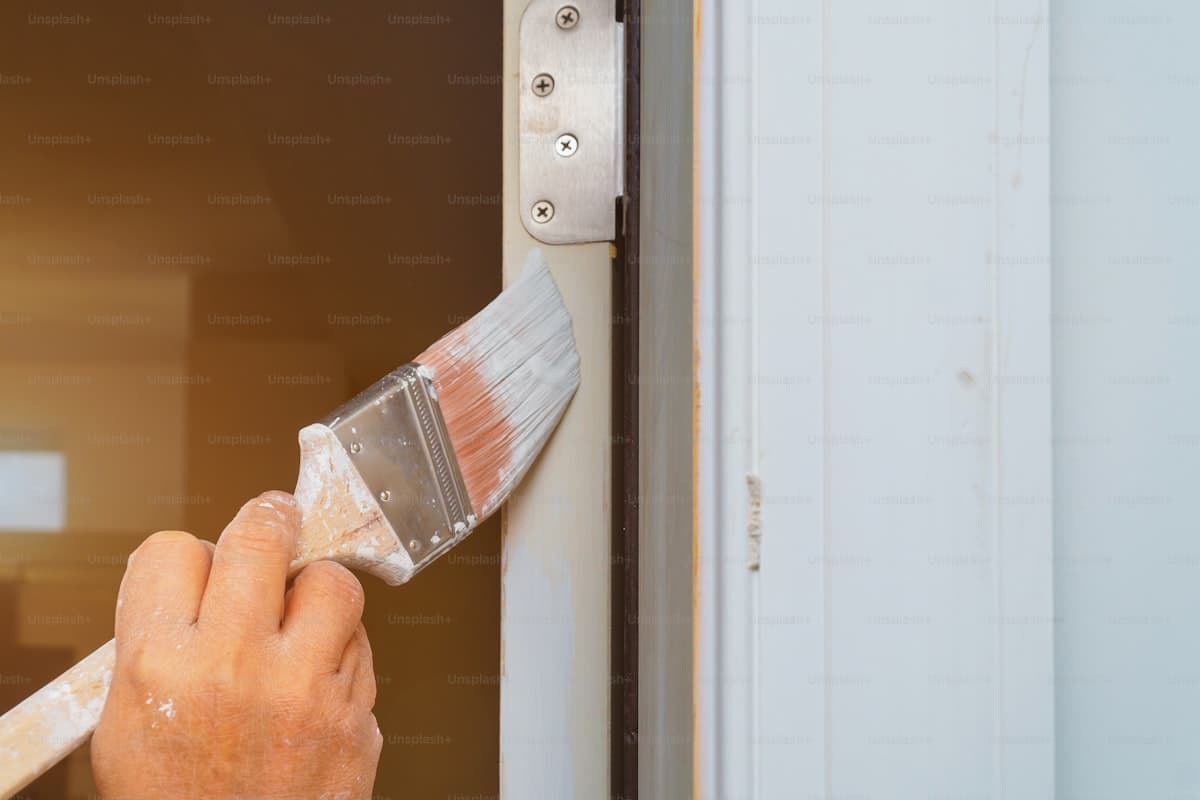
Interior and Exterior Painting Cost in Cincinnati: 2026 Pricing Guide
Cincinnati homeowners budgeting for painting in 2026 should expect to pay $1,800–$4,500 for a full interior repaint and $3,000–$7,000 for a full exterior on most single-family homes. The wide range is real: the city's substantial pre-1978 housing stock, Ohio River humidity, tri-state licensing dynamics, and historic district restrictions all push costs above simple square-footage math in many projects.
Interior Painting Cost in Cincinnati (2026)
Cincinnati interior painters charge $2.00–$4.50 per square foot of paintable wall and ceiling surface, with most standard rooms falling in the $2.25–$3.50 range. The rate reflects two coats, labor, and standard-grade paint. Premium paint (Sherwin-Williams Duration, Benjamin Moore Aura) and significant prep work move prices toward the upper end.
Interior Painting Cost by Room
| Room Type | Low End | Mid-Range | High End |
|---|---|---|---|
| Small bedroom (10x10) | $250 | $380 | $550 |
| Standard bedroom (12x12) | $330 | $500 | $720 |
| Primary bedroom / large bedroom | $480 | $700 | $1,050 |
| Full bathroom | $220 | $350 | $520 |
| Half bath | $150 | $220 | $340 |
| Living room (standard) | $520 | $800 | $1,200 |
| Open concept living/dining | $750 | $1,200 | $1,900 |
| Kitchen | $480 | $720 | $1,100 |
These prices include walls and ceilings. Adding trim, doors, and built-ins typically adds $50–$175 per room.
Full-House Interior Painting Cost
- 1,200 sq ft home: $1,800–$3,800
- 1,800 sq ft home: $2,500–$5,200
- 2,500 sq ft home: $3,500–$7,200
Cincinnati's per-square-foot rate of $2.25–$3.50 sits slightly below the Midwest average, consistent with the broader metro's wage structure. According to BLS Occupational Employment data for the Cincinnati, OH-KY-IN MSA (May 2024), the mean hourly wage across all occupations in Cincinnati was $30.78, compared to a national average of $32.66 — reflecting the modest labor cost discount that runs across trades in this market.
Older Cincinnati homes — the craftsman bungalows of Oakley, the Victorians of Mt. Auburn, the colonials of Hyde Park — frequently add surface prep costs. Original plaster walls, textured finishes, and decades of repaints require additional patching and priming before quality finish coats can be applied. Budget $150–$400 extra for a room with significant prep needs.
For a broader Midwest baseline, see our Midwest painting cost guide.
Exterior Painting Cost in Cincinnati (2026)
Exterior painting in Cincinnati runs $1.50–$4.50 per square foot of paintable exterior surface. The low end reflects straightforward ranch-style vinyl or aluminum siding; the high end reflects multi-story homes with wood siding, significant trim, and lead paint prep.
Exterior Painting Cost by Home Style
| Home Style | Low End | Mid-Range | High End |
|---|---|---|---|
| Ranch (single-story, vinyl/aluminum) | $2,200 | $3,500 | $4,800 |
| Ranch (single-story, wood siding) | $2,800 | $4,200 | $6,000 |
| Colonial (two-story) | $3,500 | $5,200 | $7,500 |
| Craftsman bungalow | $3,800 | $5,800 | $8,500 |
| Victorian (city proper) | $5,500 | $8,000 | $14,000+ |
| Brick exterior (paint or repaint) | $2,500 | $4,000 | $6,500 |
Siding Type Notes for Cincinnati
Brick: Cincinnati has an exceptionally high proportion of brick homes, especially in the city proper and close-in suburbs like Mariemont, Norwood, and St. Bernard. Painting brick is a significant and largely irreversible decision — once painted, maintenance cycles become permanent. If brick is already painted, repainting runs $2.00–$4.00 per square foot for prep and two coats. Unpainted brick painting is generally not recommended by preservation professionals unless the brick is already deteriorating.
Wood siding: Common in Hyde Park, Clifton, Mt. Lookout, and Covington KY. Wood requires more prep than vinyl — scraping, priming, and often spot repairs before painting. Expect to pay a 20–35% premium over vinyl for equivalent square footage.
Vinyl siding: Prevalent in suburban areas like Mason, Blue Ash, Florence KY, and West Chester. Painting vinyl is possible but requires specific paint (100% acrylic with direct-to-vinyl formulation) and clean bonding surfaces. Factory color changes are generally not recommended but re-coating faded vinyl is increasingly common.
Why Cincinnati's Older Housing Stock Changes the Equation
Cincinnati's neighborhoods are defined by their age. Hyde Park, Mariemont, Oakley, Clifton, Mt. Lookout, and Covington KY all have dense concentrations of pre-1940 housing. That's not just an aesthetic detail — it's a legal and cost reality for any painting project.
Lead Paint in Pre-1978 Cincinnati Homes
In Cincinnati's older neighborhoods, pre-1978 housing is the norm rather than the exception. The EPA Renovation, Repair, and Painting (RRP) Rule requires any contractor who disturbs painted surfaces in a pre-1978 home to hold EPA firm certification, employ a Certified Renovator, and follow lead-safe containment and disposal practices.
Ohio: The EPA administers RRP certification directly — there is no separate Ohio state program. Ohio also has its own lead abatement licensing through the Ohio Department of Health for full abatement projects. Verify certification at cfpub.epa.gov/flpp.
Kentucky side (Covington, Newport, Florence): Kentucky has not established an authorized state RRP program; federal EPA rules apply identically. The same verification process applies on both sides of the Ohio River — confirm EPA firm certification regardless of whether the project is an Ohio or Kentucky address.
RRP compliance adds $300–$800 to exterior projects and $200–$500 to interior work. It is required, not optional. A painter who claims RRP is unnecessary for work on a pre-1978 Cincinnati home is wrong. If lead presence is unknown, professional testing runs $250–$600 and creates a documented record.
Ohio River Humidity: How It Affects Exterior Paint in Cincinnati
Cincinnati sits at the confluence of the Ohio, Little Miami, and Licking rivers. July and August bring average relative humidity above 70%, with frequent stretches above 80% — well above the Midwest average and a genuine driver of exterior paint failure.
Paint applied in high humidity can trap moisture under the film. As that vapor escapes, it causes blistering and adhesion failure — most visibly on north-facing wood siding that dries slowly. This is why experienced Cincinnati painters require surfaces to dry 24–48 hours after rain before applying any product, and why cutting prep time produces 3–5 year paint jobs instead of 10–12 year ones.
Product selection: 100% acrylic latex exterior paint with built-in mildew resistance is standard for Cincinnati's climate. Sherwin-Williams Duration and Benjamin Moore Aura consistently perform well against Ohio's humidity and freeze-thaw cycle combination. The ideal application window is 50–85°F with humidity below 70% — late April through early June, and again September through mid-October.
Cincinnati-Specific Factors That Affect Your Quote
Tri-State Licensing Dynamics (OH, KY, IN)
None of the three states require a state-level painting license. The key differences emerge when painting overlaps with repair or carpentry:
- Ohio: No state painting license. Cincinnati city registration required for home improvement contractors. Lead abatement beyond RRP compliance requires Ohio Department of Health (ODH) licensing.
- Kentucky: No state painting license. Kentucky does require a home improvement contractor license for projects over $1,000 that include residential improvements — this applies when a painter is also doing carpentry, siding repair, or caulking.
- Indiana (Dearborn County): No state painting or home improvement contractor license required; verify local requirements for Lawrenceburg or Aurora addresses.
If you're on the KY side of the metro and hiring a contractor headquartered in Ohio, confirm they hold the appropriate Kentucky credentials before work begins.
Historic District Restrictions
Multiple Cincinnati neighborhoods require a Certificate of Appropriateness (COA) from the Historic Conservation Board before exterior color changes: Over-the-Rhine (masonry generally cannot be painted for the first time; trim must contrast with field color), Hyde Park Observatory District, and Clifton (stone surfaces cannot be painted). COA review takes 2–4 weeks — submit color selections to the Historic Conservation Office (urban.conservator@cincinnati-oh.gov) by February or March for spring projects.
On the Kentucky side, Covington has its own historic district designations (Licking Riverside, Riverside Drive, MainStrasse Village). Contact Covington's Department of Community Development before proceeding on any Covington historic property.
HOA Restrictions in Suburban Cincinnati
Blue Ash, Mason, West Chester, and Montgomery HOAs require written architectural review approval before exterior color changes. Most require color chip submissions tied to specific Sherwin-Williams or Benjamin Moore fan decks, with 1–3 week turnaround times. Submit four weeks before your planned start date to avoid missing the spring painting window.
How to Evaluate a Cincinnati Painting Quote
A complete Cincinnati painting quote should specify: prep scope (power washing, scraping, priming — not "as needed"), paint manufacturer and product line by name (not just "premium paint"), number of coats (two finish coats is standard), and the contractor's EPA firm certification number for any pre-1978 home. Established Cincinnati painters typically offer a 2–5 year workmanship warranty.
Get at least three quotes before committing. See our how to find a contractor in Cincinnati and how to hire a contractor in Ohio guides for screening advice. For reference, Chicago painting costs run 15–25% higher than Cincinnati for equivalent work.
Best Time of Year to Paint in Cincinnati
Best exterior window: Late April through early June — temperatures 55–80°F, humidity below the summer peak. Book exterior painters in February or March; May slots fill early. Second-best: September through mid-October, with good contractor availability after the spring rush.
Avoid: Mid-November through March (temperatures below 50°F compromise adhesion). Also avoid July–August for wood siding — Ohio River humidity peaks above 70–80% and creates real blistering risk, especially on north-facing surfaces. If summer painting is unavoidable, schedule early-morning application and allow extra dry time between coats.
Interior painting is year-round. Winter is the easiest time to book Cincinnati interior painters — demand drops and scheduling is straightforward.
Frequently Asked Questions
Common questions Cincinnati homeowners ask when budgeting for interior or exterior painting projects — covering costs, lead paint rules, timing, humidity, historic districts, and tri-state contractor licensing — are answered in the FAQ section above.
Finding a Verified Painting Contractor in Cincinnati
The contractors in the AboveBoardPros network have passed license verification, insurance confirmation, and business history review before receiving any leads. When you request quotes through AboveBoardPros, you're starting with painting contractors who have already cleared the basic screening that most homeowners skip — EPA RRP certification check included for pre-1978 Cincinnati homes.
Request quotes from verified Cincinnati painting contractors at aboveboardpros.com.
Frequently Asked Questions
- How much does house painting cost in Cincinnati in 2026?
- Interior painting in Cincinnati runs $1,800–$4,500 for a typical single-family home. Exterior painting runs $2,800–$6,500 depending on home size, siding type, and prep requirements. Pre-1978 homes with lead paint add $300–$800 for EPA RRP-compliant prep. Cincinnati's labor costs are slightly below the national average, making it a reasonably competitive market for painting work.
- Do Cincinnati painters need to follow lead paint rules?
- Yes. The EPA Renovation, Repair, and Painting (RRP) Rule requires any contractor disturbing painted surfaces in a pre-1978 home to hold EPA RRP certification. In Ohio, the EPA administers RRP certification directly. In Kentucky (Covington, Florence, Newport), the same federal RRP Rule applies — Kentucky has not obtained its own state program and defers to the EPA. Always verify your painter's EPA firm certification number before signing a contract on any older Cincinnati-area home.
- What is the best time of year to paint the exterior of a Cincinnati home?
- Late April through June is the best window for exterior painting in Cincinnati — temperatures are typically 55–80°F and humidity is more manageable than the July–August peak. September through mid-October is the second-best window. Avoid painting below 50°F (compromises adhesion and cure) and during high-humidity stretches from the Ohio River valley in mid-summer. Interior painting has no seasonal restriction.
- Does the Ohio River humidity affect exterior paint in Cincinnati?
- Yes, significantly. Cincinnati's Ohio River location keeps summer relative humidity above 70% during July and August. Exterior paint applied in high humidity can trap moisture under the film, leading to blistering, poor adhesion, and premature peeling — especially on wood siding common in older neighborhoods. Contractors experienced in the Cincinnati market use 100% acrylic latex formulas and schedule exterior work outside peak-humidity windows.
- Do I need approval to paint my house in a Cincinnati historic district?
- If your property is in a Cincinnati local historic conservation district — including Over-the-Rhine, Hyde Park Observatory, Clifton, or several others — exterior color changes require a Certificate of Appropriateness (COA) from the Cincinnati Historic Conservation Board. Some districts have specific requirements, such as prohibiting painting unpainted masonry or requiring trim colors to contrast with field colors. Check with the City of Cincinnati Historic Conservation Office before scheduling exterior painting.
- Are contractor licenses different for Cincinnati OH vs. Cincinnati KY?
- Both Ohio and Kentucky do not require a state-level painting license. However, lead paint work requires EPA RRP certification in both states. For general contracting work attached to a painting project (e.g., carpentry, siding repair), Ohio requires a home improvement contractor registration in some municipalities, while Kentucky requires a home improvement contractor license for projects over $1,000. Verify that a contractor doing KY-side work holds the appropriate Kentucky credentials.