How Much Does Siding Replacement Cost in Detroit? (2026)
Detroit siding replacement costs $9,000–$22,000 for most homes. Here's how Michigan's freeze-thaw cycles affect material choice, and what drives cost in SE Michigan.
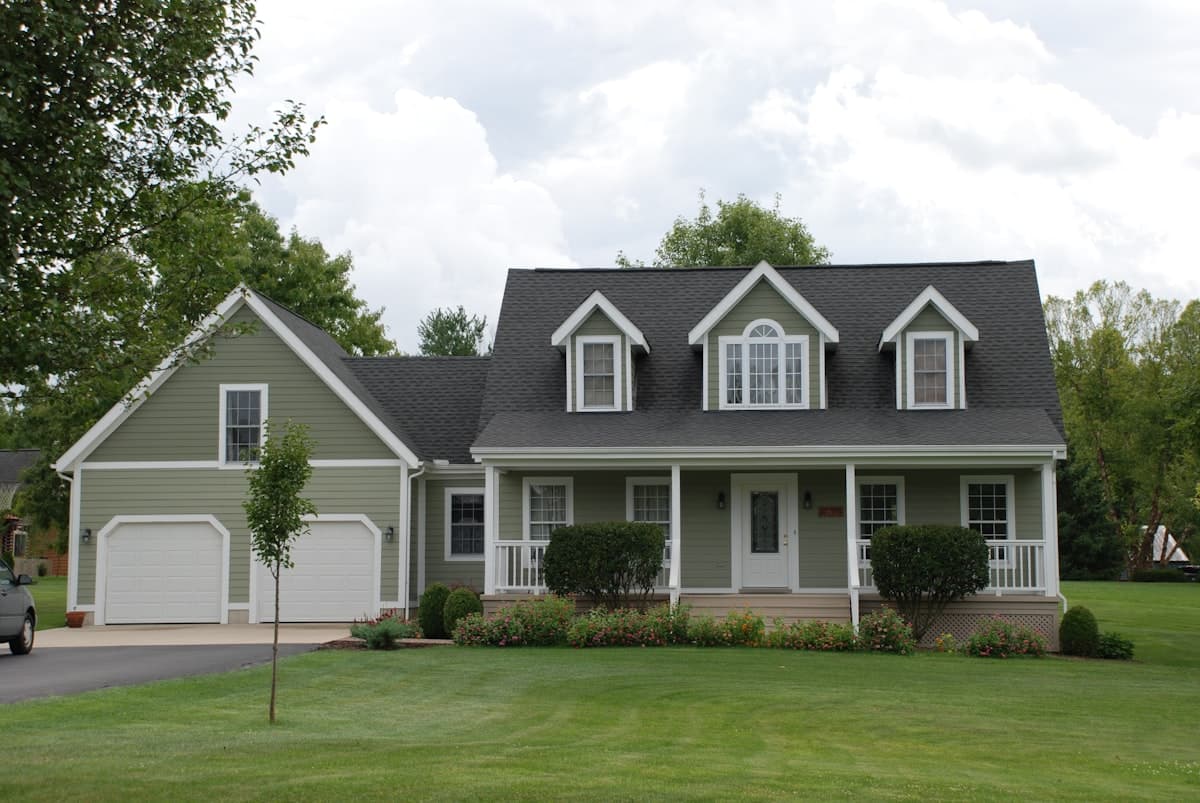
What Detroit Siding Replacement Actually Costs in 2026
Siding replacement in metro Detroit is a project where the material choice matters more than in most other regions of the country. Michigan's climate — with 50–80 freeze-thaw cycles each winter, summer heat that drives vinyl expansion, and wind-driven precipitation that finds every gap — stresses exterior cladding harder than the national average cost data reflects. The right material here isn't just aesthetic preference; it's a 20-to-30-year decision about how your home's exterior will hold up against Southeast Michigan's actual conditions.
For a typical metro Detroit home, full siding replacement costs $9,000–$22,000. A 1,200–1,600 sq ft ranch-style home runs $9,000–$14,000 in standard vinyl. A two-story colonial at 2,000–2,400 square feet runs $13,000–$20,000. Fiber cement on the same home sizes runs 30–50% higher but with a meaningfully longer service life in this climate.
The Four Tiers
Standard Vinyl: $8,000–$15,000
What's included: Quality vinyl siding (0.044 or 0.046 inch thickness — specify this; thinner vinyl is more susceptible to Michigan temperature swings), house wrap replacement or repair, trim, soffit, and fascia work. What's not: Insulated vinyl, fiber cement, any sheathing replacement. Best for: Wayne County and Macomb County homeowners on a tighter budget who want reliable, low-maintenance siding. For this tier to hold up well in Michigan, material thickness matters — insist on 0.044+ inch panels. Thinner panels are a common way contractors undercut bids.
Insulated Vinyl: $11,000–$19,000
What's included: Insulated vinyl siding (foam backing bonded to the panel), full house wrap, trim, soffit, and fascia. The foam backing adds rigidity and R-value, and also dampens some of the thermal expansion that causes standard vinyl to warp. Best for: Homeowners who want vinyl's price point with improved performance. The added rigidity reduces the "oil canning" appearance common on flat vinyl panels and provides modest energy improvement (R-2 to R-4 depending on product). This is a solid middle ground for most Detroit metro homes built in the 1970s–1990s.
Fiber Cement: $16,000–$28,000
What's included: James Hardie or Allura fiber cement planks or panels (HZ5 product line for northern climates), full house wrap, primed boards ready for paint (or pre-finished ColorPlus from Hardie), trim, soffit, and fascia in fiber cement or PVC trim. Best for: Any Detroit homeowner who plans to stay 15+ years and wants material that genuinely handles Michigan's climate. Fiber cement does not become brittle in cold temperatures, does not expand and contract as dramatically as vinyl, and does not absorb moisture. It requires repainting every 10–15 years but does not crack, warp, or blow off in the wind events common in metro Detroit. James Hardie's HZ5 product line is specifically formulated for freeze-thaw climates.
Premium Engineered Wood or Metal: $22,000–$40,000+
What's included: LP SmartSide engineered wood siding, Everlast composite, or metal siding systems (aluminum or steel panel). Full house wrap, sheathing repair or replacement as needed, complete trim and soffit system. Best for: High-end Oakland County homes (Bloomfield Hills, Birmingham, Rochester Hills) or homeowners who want maximum durability and are not price-sensitive. LP SmartSide performs well in Michigan's climate and is increasingly popular in the Detroit metro for new construction and high-end renovations.
What Drives Cost in Detroit
Michigan's Freeze-Thaw Reality: Metro Detroit typically experiences 50–80 freeze-thaw cycles per winter — days where temperature crosses above and below 32°F. Standard vinyl siding becomes brittle below 0°F, which Detroit sees multiple times each winter. When brittle vinyl takes an impact — from hail, wind debris, or even a hard throw — it cracks rather than flexing. Over time, the repeated expansion in summer heat and contraction in winter cold pulls panels away from fasteners. This is why material selection matters more here than in warmer markets.
Labor Rates: Detroit's construction labor market, shaped by auto industry union wage standards, produces higher skilled trade wages than most comparable Midwest cities. Siding installation labor in the Detroit metro runs $35–$65/hour, higher than Indianapolis or Columbus. For a full siding job, labor represents 35–50% of total cost.
House Wrap and Sheathing: A siding replacement is an opportunity to upgrade or replace the water-resistive barrier (house wrap) underneath. In Detroit's older housing stock — particularly colonials and bungalows built before 1970 — the original building paper has often deteriorated. Replacing it with a quality house wrap adds $800–$2,000 to the project but is worth doing when the walls are already open. If OSB or board sheathing underneath is damaged or rotted (common around windows and at the foundation line in older Detroit homes), replacement runs $2–$4/sq ft for materials and labor.
Trim, Soffit, and Fascia: These components are almost always replaced as part of a full siding job. Aluminum soffit and fascia on a typical ranch runs $1,500–$3,500. A colonial with complex trim detailing runs $2,500–$5,000. Contractors who bid low often exclude or underspecify this work — check your bid explicitly for what's included.
Window and Door Openings: Every window and door requires careful flashing integration with new siding. Older Detroit homes sometimes have deteriorated window flashing or rotted sill plates that need repair during the siding project. This is a legitimate and expected discovery item — budget $200–$500 per window opening as a contingency in homes built before 1985.
County Premiums: Oakland County projects — particularly in Birmingham, Bloomfield Hills, and Troy — command higher labor costs. Contractors in these markets know their clientele expects premium service and pricing. Wayne County and Macomb County projects at comparable scope run 10–20% less for labor.
Michigan Licensing Requirements
Michigan requires siding contractors to hold either a Residential Builder's license or a Maintenance and Alteration Contractor license from LARA's Bureau of Construction Codes for any project valued at $600 or more. Public Act 299 of 1980 governs this requirement, and it's one of the more rigorous residential contractor licensing regimes in the country.
The Detroit metro attracts out-of-state storm chasers after hail seasons who are not licensed in Michigan. Always verify license status through LARA's MiPLUS portal before signing a contract. For a complete vetting guide, see how to hire a contractor in Michigan.
How Long Will It Take?
Standard vinyl on a ranch: 3–5 days.
Insulated vinyl or fiber cement on a two-story colonial: 5–10 days for installation. Fiber cement requires more precise cuts, caulking at all joints, and careful integration with trim — it takes longer than vinyl.
Permit and scheduling: Most Wayne and Oakland County municipalities require a permit for full siding replacement. Budget 1–2 weeks for permit processing before installation begins. A contractor who wants to start before the permit is issued is a warning sign.
Best time of year: Late spring through early fall is optimal for siding in metro Detroit. Fiber cement and vinyl should not be installed when temperatures are consistently below 40°F — cold affects adhesion of caulk and sealants and makes vinyl panels difficult to work with. If your project spans into fall, clarify the contractor's cold-weather protocols.
Getting Accurate Bids in Detroit
Request written, line-item bids from at least three licensed contractors. Each bid should specify:
- Siding manufacturer, product name, and panel thickness
- Whether the project includes house wrap replacement or just overlap
- How window and door openings are handled (flashing spec)
- How sheathing damage is priced if discovered after demo
- Soffit, fascia, and trim scope — exactly what is included
- Permit responsibility
A bid that says "vinyl siding installation" without specifying manufacturer, product, and thickness is not a real bid. Contractors who are vague in the bid phase are often more vague when problems arise mid-project.
See also How to Find a Contractor in Detroit for guidance on finding screened contractors in the metro area.
What AboveBoardPros Screened Contractors Bring to the Table
Contractors in the AboveBoardPros network go through an automated screening pass: a cross-check against the official state business registry where our automated check reaches that state, a scan of the contractor's own website for credential claims, and public business signals. When you request a quote through us, you're starting with contractors who've already cleared the baseline screening that most homeowners skip.
Frequently Asked Questions
- How much does siding replacement cost in Detroit in 2026?
- Full siding replacement on a typical Detroit-area home costs $9,000–$22,000 in 2026 depending on home size, material, and condition of the existing wall assembly. A 1,400 sq ft ranch runs $9,000–$14,000 for quality vinyl. A two-story colonial at 2,000–2,400 sq ft runs $13,000–$20,000. Fiber cement siding runs 30–50% more than vinyl but is significantly better suited to Michigan's freeze-thaw climate.
- What is the best siding material for Detroit's climate?
- Fiber cement — specifically James Hardie's HZ5 product line engineered for northern climates — is the top recommendation for Southeast Michigan. Michigan's freeze-thaw cycles cause vinyl panels to become brittle in cold, expand in heat, and contract in the cold again, eventually cracking or pulling away from fasteners. Fiber cement does not become brittle, maintains dimensional stability across temperature swings, and resists moisture absorption. Quality insulated vinyl is a good second choice for budget-conscious homeowners.
- How do Michigan freeze-thaw cycles damage siding?
- Freeze-thaw cycles damage siding when moisture seeps into small cracks or behind panels during warmer periods, then freezes and expands as temperatures drop — widening cracks and pulling fasteners. Standard vinyl becomes brittle below 0°F, which Detroit regularly experiences. Metro Detroit typically sees 50–80 freeze-thaw cycles per winter. Homes with south- or west-facing walls that warm quickly during the day and cool rapidly at night are especially vulnerable.
- Do I need a permit to replace siding in Detroit?
- Most Detroit-area municipalities require a permit for full siding replacement, particularly when house wrap or sheathing is being replaced or upgraded. Wayne County permit fees run $150–$450 for a typical residential siding project. Skipping the permit can create problems at resale — buyers' inspectors frequently flag unpermitted exterior work. A licensed contractor will pull the permit as part of the project.
- How long does siding replacement take in Detroit?
- A full siding replacement on a typical 1,500–2,200 sq ft Detroit-area home takes 3–7 days for vinyl and 5–10 days for fiber cement. Fiber cement requires more precise installation — cuts, joints, and caulking all take additional time. Add permit processing time (1–2 weeks in most Wayne and Oakland County municipalities) before demo can begin.