How Much Does HVAC Replacement Cost in Chicago? (2026)
Chicago HVAC replacement runs $7,500–$16,000 for most single-family homes. Union labor, long heating seasons, and city permits make Chicago different from national averages.
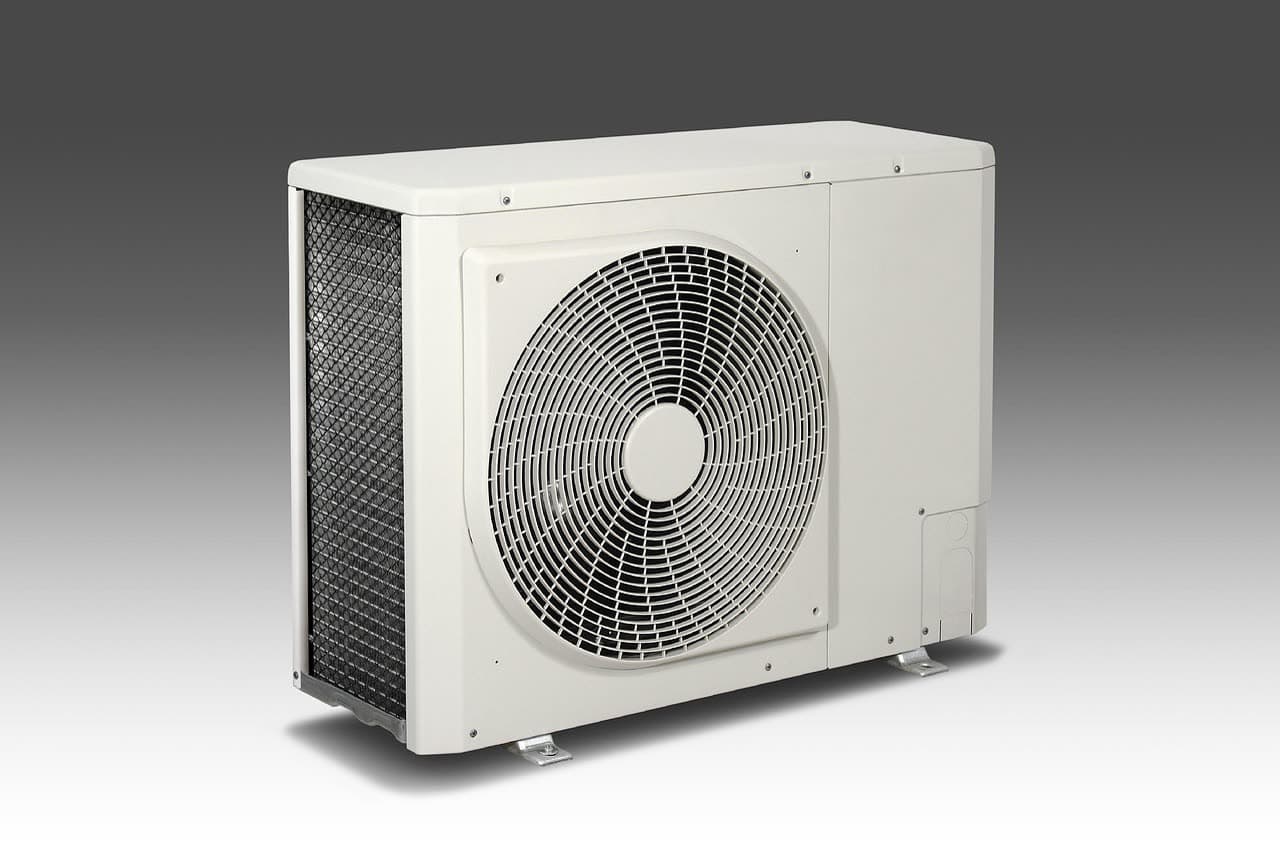
What HVAC Replacement Actually Costs in Chicago
Chicago homeowners replacing an HVAC system in 2026 are looking at $8,500–$16,000 for a full furnace-and-AC replacement in a typical single-family home. That's meaningfully higher than national averages — and there are specific Chicago market reasons why. Understanding those reasons helps you evaluate bids accurately and avoid getting quoted a number that's either too high or suspiciously low.
Chicago HVAC Costs by System Type
Central AC Only: $4,500–$9,000
AC-only replacement is common when the furnace is newer (under 12 years) and in good condition. Costs include the condensing unit, evaporator coil, refrigerant, and labor. Line set replacement — needed if the existing copper lines are damaged or undersized — adds $600–$1,400.
Gas Furnace Only: $5,000–$10,000
A furnace-only replacement in Chicago typically runs higher than the national range due to labor rates and permit costs. Chicago's cold winters mean furnaces work hard — expect a gas furnace to last 15–20 years with proper maintenance, but plan for replacement around 18 years for budgeting purposes.
High-efficiency condensing furnaces (96%+ AFUE) are strongly recommended for Chicago given the long heating season. The additional upfront cost of $800–$1,500 over an 80% AFUE unit pays back in 4–6 years through reduced gas bills. Condensing furnaces require a PVC secondary flue and a condensate drain — verify your home can accommodate these.
Full System (Furnace + AC): $8,500–$16,000
This is the most common scenario for Chicago homeowners. The labor savings from replacing both systems at once — typically $1,500–$2,500 — more than justify the combined project when both systems are aging.
Cost by home size:
- Smaller Chicago two-flat or bungalow (under 1,400 sq ft): $8,500–$11,000
- Mid-size single-family (1,400–2,500 sq ft): $11,000–$14,500
- Larger home (2,500–3,500 sq ft): $13,500–$18,000
Dual-Fuel Heat Pump: $12,000–$20,000
A growing option in Chicago's north and northwest suburbs, dual-fuel systems pair an air-source heat pump with a gas furnace. The heat pump handles heating above approximately 30–35°F — which covers most of Chicago's shoulder-season heating — while the gas furnace takes over during polar vortex events and January lows. Upfront cost is higher, but monthly utility costs are lower in moderate weather.
Why Chicago HVAC Costs Run Higher Than National Averages
Union Labor
Chicago has one of the strongest union HVAC trade presences in the country. UA Local 130 (pipefitters) and SMART Local 265 (sheet metal workers) are active in the metro. Union labor rates for licensed HVAC technicians run $95–$160 per hour in Chicago versus $65–$100 in many other Midwest markets.
This is not a contractor overcharging — it's the cost of skilled, licensed tradespeople in a union market. It's also why Chicago contractors with union labor tend to have better safety records and workmanship consistency. When comparing bids, make sure you're comparing union vs. non-union on an apples-to-apples basis.
Long Heating Season
Chicago has one of the longest heating seasons of any major US city — typically running October through April, with meaningful cold into May. That means furnaces in Chicago log significantly more run hours per year than furnaces in St. Louis, Kansas City, or Columbus. The recommendation to size for efficiency and buy quality equipment is more financially meaningful in Chicago than in milder markets.
Permit and Inspection Requirements
Every HVAC replacement in Chicago requires a mechanical permit from the City of Chicago Department of Buildings. Your contractor pulls the permit; you should ask to see it before work begins. The permit triggers an inspection — a city inspector visits to verify the installation met code for venting, gas connections, refrigerant handling, and electrical work.
The Chicago Department of Buildings offers Express Permit processing for straightforward equipment-for-equipment replacements, which can reduce approval time to same-day. Standard permit review runs 3–5 business days. Budget $150–$400 for permit and inspection fees.
Work done without a permit creates problems at resale — both home inspectors and buyers' agents look for permit records on mechanical work, and unpermitted work can become a negotiating issue or a deal-killer.
High-Rise and Condo HVAC: A Different Set of Equipment
If you live in a Chicago condo or high-rise, the HVAC conversation is different from single-family homes.
Fan Coil Units (FCUs): Most mid-rise and high-rise buildings in Chicago use a central chiller/boiler plant that distributes chilled water (cooling) and hot water (heating) to individual unit fan coil units. The fan coil in your unit circulates building-supplied water through a heat exchanger. Replacing a fan coil runs $1,500–$4,500 including labor, and you will need approval from your building management — the work typically requires access to building mechanical systems.
Packaged Terminal Air Conditioners (PTACs): Common in older Chicago apartment buildings, PTACs are the sleeve-mounted units you see in the wall. Replacement PTACs run $600–$1,200 for the unit plus $300–$600 for installation.
Ductless Mini-Splits: Increasingly popular for condo conversions and greystone units that don't have existing ductwork. Per-zone installed cost runs $3,000–$6,500. Building approval is typically required for the exterior penetration for refrigerant lines.
ComEd and Peoples Gas Rebate Programs
While the federal Section 25C tax credit expired at the end of 2025, utility rebate programs remain active in the Chicago market.
ComEd: Offers rebates up to $2,000 for qualifying heat pump installations. Heat pumps are the most heavily incentivized upgrade under ComEd's current program. Rebates can often be stacked with manufacturer promotions (Carrier Cool Cash, Trane Comfort Connect, etc.). Check current availability at comedappliancerebates.com — program tiers and amounts change.
Peoples Gas: The Home Energy Rebate Program is active through December 31, 2026 for qualifying high-efficiency gas equipment that reduces natural gas consumption. Eligible equipment includes high-efficiency furnaces and combination water heating applications. Details at peoplesgasdelivery.com/savings/rebates-residential or by calling 855-849-8928.
Ask any contractor for help completing rebate paperwork — reputable contractors in Chicago are familiar with both programs and should be able to assist with the application.
Seasonal Timing in Chicago
Spring (April–May) and fall (September–October) are the best windows for non-emergency HVAC replacement in Chicago for the same reasons as the rest of the Midwest — but the Chicago market is particularly tight in July and August. High summer demand means equipment lead times of 1–2 weeks for popular units and contractor schedules that book out 2–3 weeks. If you know your system is aging, plan the replacement in spring before cooling season hits.
For guidance on finding a reliable HVAC contractor in the Chicago market, see our guide to finding a contractor in Chicago.
What AboveBoardPros Screened Contractors Bring to the Table
Contractors in the AboveBoardPros network go through an automated screening pass: a cross-check against the official state business registry where our automated check reaches that state, a scan of the contractor's own website for credential claims, and public business signals. When you request a quote through us, you're starting with contractors who've already cleared the baseline screening that most homeowners skip.
Frequently Asked Questions
- How much does HVAC replacement cost in Chicago in 2026?
- A full HVAC replacement (furnace + central AC) in Chicago runs $8,500–$16,000 for most single-family homes. Furnace-only replacement runs $5,000–$10,000. Central AC only runs $4,500–$9,000. Chicago's union labor market, permit requirements, and long heating season push costs above national averages.
- Do I need a permit for HVAC replacement in Chicago?
- Yes. The Chicago Department of Buildings requires a mechanical permit for all furnace replacements and AC installations. Your contractor must pull the permit before work begins — not after. The city schedules an inspection within 3–5 business days. Skipping the permit is illegal and creates problems at resale. Budget $150–$400 for permit and inspection fees.
- Does union labor affect HVAC costs in Chicago?
- Yes, significantly. The Chicago metro has a strong union HVAC trade presence, and union labor rates run higher than non-union markets — typically $95–$160 per hour for licensed technicians versus $75–$120 in many other Midwest cities. This is the primary reason Chicago HVAC replacement costs run 15–25% above national averages.
- What ComEd and Peoples Gas rebates are available for HVAC in Chicago?
- ComEd offers rebates up to $2,000 for qualifying heat pump installations in 2026. Peoples Gas has an active Home Energy Rebate Program through December 31, 2026 for high-efficiency equipment that reduces natural gas use. These rebates can be stacked with manufacturer promotions. Check the current program at peoplesgasdelivery.com/savings/rebates-residential or comedappliancerebates.com — program details change.
- What HVAC equipment works best for Chicago condo and high-rise buildings?
- Most Chicago condos and high-rises do not use traditional forced-air systems. Common equipment types include fan coil units (connected to the building's central chiller/boiler plant), packaged terminal air conditioners (PTACs), and ductless mini-splits. Replacement in these buildings is typically unit-specific and must be coordinated with building management. Costs run $2,000–$7,000 per unit depending on equipment type.
- Is a heat pump a good choice for Chicago?
- A dual-fuel heat pump — pairing an air-source heat pump with a gas furnace backup — is a reasonable choice for Chicago homeowners in 2026. A straight heat pump without gas backup is not well-suited to Chicago winters, where temperatures regularly drop below 15°F for extended periods. The dual-fuel setup lets the heat pump handle most of the heating season efficiently while the gas furnace covers the coldest days.