Wisconsin Home Remodeling Costs 2026: Room-by-Room Guide
Wisconsin whole-home remodels run $50,000-$300,000+ in 2026. Room-by-room costs for Sussex, Waukesha, and Milwaukee, plus budget scenarios and financing.
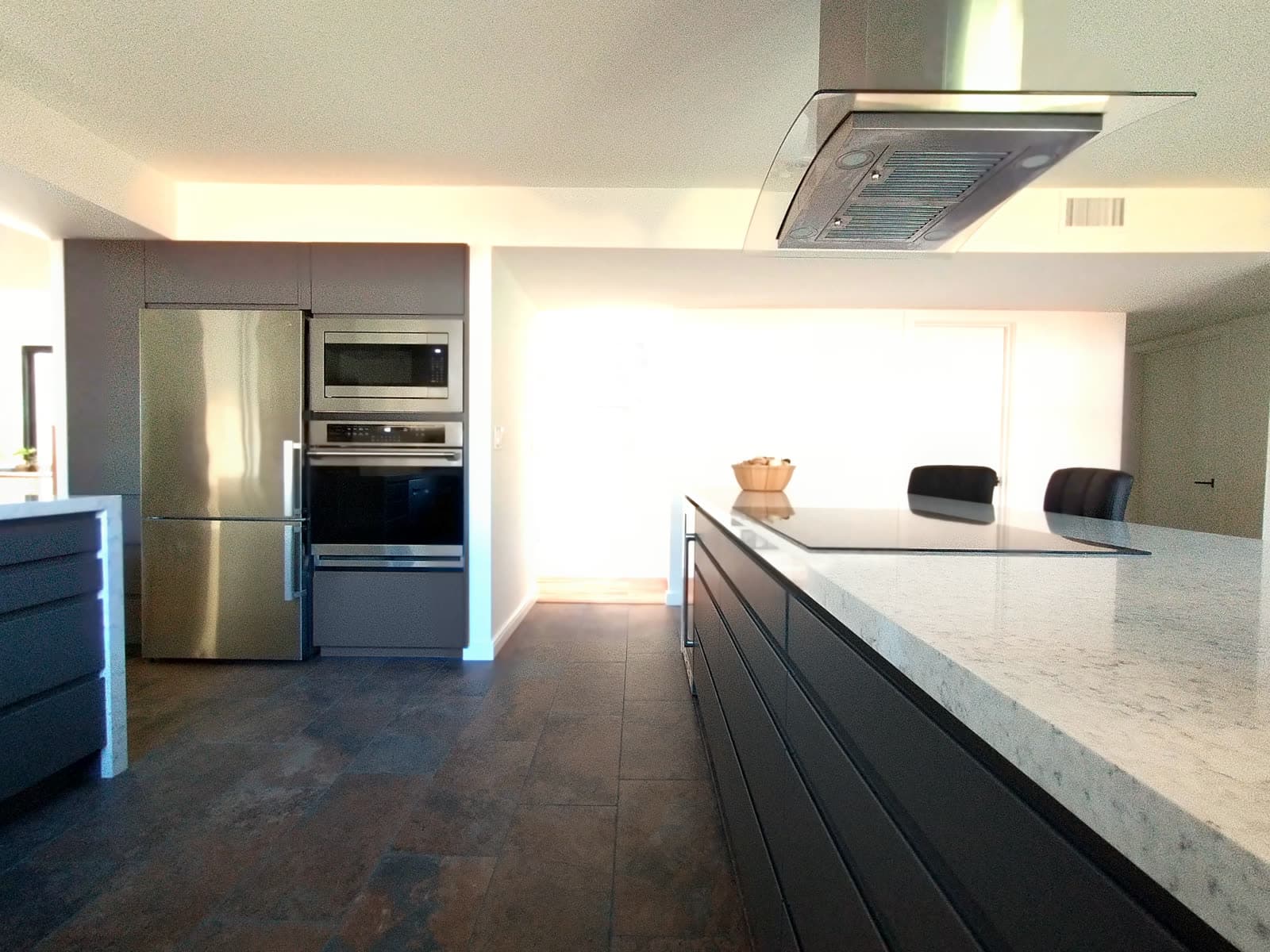
Wisconsin whole-home remodeling costs run $50,000 to $300,000 or more in 2026, and the gap between those numbers comes down to three factors: how many rooms you're touching, your finish tier, and where in Wisconsin you live. This guide breaks the whole-home remodel cost down room-by-room so you can build a realistic total before calling a contractor.
Key Takeaways
- Whole-home remodels in Wisconsin run $50,000-$300,000+ in 2026, based on a $50-$200 per square foot range applied across the project (WR Builders Inc, 2026).
- A major midrange kitchen remodel averages $87,115 in the Milwaukee metro, the single most expensive individual room project (Zonda 2025 Cost vs. Value Report).
- Sussex and Waukesha County homeowners typically land at or above the Wisconsin mid-range benchmark given the area's newer, higher-value housing stock.
- Wisconsin's 48-inch minimum frost depth requirement adds real cost to any project involving new footings, including additions and attached garages.
- HELOC rates average 7.43% nationally as of July 2026, the most common financing tool for phased whole-home projects (Bankrate, "Current HELOC Rates In July 2026", 2026).
How Much Does It Cost to Remodel a Whole House in Wisconsin?
A whole-home remodel in Wisconsin costs $50,000 to $300,000 or more in 2026, driven by home size, how many rooms you're changing, and finish tier. Whole-home renovations broadly run $50-$200 per square foot, so a 1,500 square foot home ranges from roughly $75,000 to $300,000 depending on scope.
| Tier | Cost Range (1,500 sq ft home) | Cost per Sq Ft | What's Typical |
|---|---|---|---|
| Basic | $30,000-$75,000 | $20-$50/sq ft | Cosmetic updates in 2-3 rooms, no layout changes |
| Mid-Range | $75,000-$180,000 | $50-$120/sq ft | Full kitchen and bath remodel, some structural work |
| Luxury | $180,000-$375,000+ | $120-$250+/sq ft | Whole-house renovation, additions, premium finishes throughout |
Source: WR Builders Inc, "Home Remodel Cost 2026: Real Prices Before Hiring a Contractor", 2026, retrieved 2026-07-10.
Four variables determine where your project lands in this range: home size, home age (older housing stock in Milwaukee and the Fox Valley surfaces more hidden work once walls open), how many rooms you're touching, and finish tier, the single lever a homeowner controls most directly.
Labor makes up 40-60% of total project cost, materials the remaining 40-50% (WR Builders Inc, 2026). That ratio holds whether you're spending $50,000 or $250,000, which is why labor availability, not just material prices, drives bid variation between Wisconsin contractors.
What Does Each Room Cost to Remodel in Wisconsin?
Room-by-room, kitchens and primary bathrooms carry the highest per-square-foot cost, while additions carry the highest total dollar cost. This section's figures use Milwaukee metro, Wisconsin job-cost data at the midrange tier; actual costs shift with home age, labor rates, and finish selections.
Kitchen
A minor kitchen remodel in the Milwaukee metro runs $27,625; a major kitchen remodel in the Milwaukee metro runs $87,115 (Zonda 2025 Cost vs. Value Report). Kitchens are the most expensive single room, since cabinets, countertops, and appliances compound quickly. Full tier-by-tier pricing: Wisconsin kitchen remodel cost guide.
Bathroom
A midrange bathroom remodel in the Milwaukee metro averages $29,031; an upscale bathroom remodel in the Milwaukee metro averages $88,844 (Zonda 2025 Cost vs. Value Report). Bathrooms are often the first room replaced in an older Wisconsin home due to plumbing age. Tier-by-tier pricing: Wisconsin bathroom remodel cost breakdown.
Roofing
Asphalt shingle roofing averages $31,184 in the Milwaukee metro; metal roofing averages $51,215 in the Milwaukee metro (Zonda 2025 Cost vs. Value Report). Roofing is often bundled into a whole-home project since scaffolding and crew mobilization overlap with siding work. Material-by-material detail: Wisconsin roof replacement cost guide.
Basement / Living Space
A full basement remodel averages $54,499 in the Milwaukee metro, a strong value in a whole-home budget since it adds finished square footage without a foundation expansion (Zonda 2025 Cost vs. Value Report). Basement conversions are a common phase-two project for homeowners who finish the kitchen and baths first.
Home Addition
A midrange primary suite addition averages $171,061 in the Milwaukee metro; a midrange accessory dwelling unit addition averages $165,987 in the Milwaukee metro (Zonda 2025 Cost vs. Value Report). Additions are the most expensive room-level project because they require new footings, and Wisconsin code requires footings below frost penetration depth or at least 48 inches below grade, whichever is deeper (Wisconsin Administrative Code SPS 321.16(1)(a), Wisconsin State Legislature, retrieved 2026-07-10), a materially deeper and more expensive requirement than warmer Midwest states, worth asking your contractor to itemize separately.
Exterior (Siding, Windows, Decks)
Fiber-cement siding replacement averages $23,874 and vinyl siding replacement averages $19,330 in the Milwaukee metro. Vinyl window replacement averages $22,669 and wood window replacement averages $26,418 in the Milwaukee metro. A composite deck addition averages $24,428 in the Milwaukee metro (Zonda 2025 Cost vs. Value Report). Exterior projects are weather-constrained in Wisconsin, scheduled April through November, so a whole-home project sequences exterior work before winter and interior finish work during the colder months.
A major kitchen remodel costs roughly 37 times more than a steel entry door replacement in the Milwaukee metro, the single room-level line item most worth budgeting precisely.
How Much Does Home Remodeling Cost in Sussex and Waukesha County, WI?
Whole-home remodeling in Sussex and Waukesha County typically lands at or above Wisconsin's mid-range benchmark, driven by newer construction and higher home values than the Milwaukee city average. A kitchen, bath, and basement or addition bundle commonly runs $100,000-$220,000, with permit fees of $400-$1,500 per municipality on top of local labor rates.
Sussex and Waukesha County's housing stock skews newer and higher-value than the city of Milwaukee, and that gap in home values is a reasonable proxy for the finish-tier expectations contractors bring to a bid in each market.
Local labor rates in Waukesha County run comparable to or slightly above the Milwaukee metro average. Permit costs vary by jurisdiction: Waukesha County municipalities (Brookfield, Elm Grove, Pewaukee, New Berlin, Menomonee Falls) typically charge $400-$1,500 depending on declared project value (T&J Waukesha Remodelers, 2026, retrieved 2026-07-10). Homeowners weighing home remodeling contractors in Sussex against city options should expect that permit friction on a bundled project; the real cost differential is finish-tier, not a single fee.
For a whole-home project spanning multiple rooms, Waukesha County remodeling projects commonly bundle a kitchen and bathroom remodel with a basement finish or addition into one contract: one mobilization, one permit sequence per trade, one crew schedule, instead of three separate projects spread over three years.
What Are the Whole-Home Remodel Budget Scenarios?
Wisconsin whole-home remodels split into three budget tiers: basic ($30,000-$75,000), mid-range ($75,000-$180,000), and luxury ($180,000-$375,000+), and each maps to real project scope, not just a dollar range. Which tier fits depends on how many rooms you're touching, whether you're changing layouts or adding square footage, and the finish level you choose throughout the home.
Basic ($30,000-$75,000): Cosmetic updates to 2-3 rooms without layout changes: cabinet refacing or painting instead of replacement, new countertops, updated fixtures and lighting, fresh flooring. No structural or major MEP (mechanical, electrical, plumbing) work. Suits homeowners planning to sell within a few years or wanting visible improvement without a full gut.
Mid-Range ($75,000-$180,000): A full kitchen remodel, one or two full bathroom remodels, and updated finishes throughout common areas, typically with some plumbing and electrical rough-in changes, semi-custom cabinetry, and mid-grade appliances. This is the tier most Wisconsin homeowners doing a genuine multi-room remodel land in; it maps closely to a midrange kitchen ($27,625-$87,115) plus a midrange bath ($29,031) plus incidental finish work.
Luxury ($180,000-$375,000+): Structural changes, a home addition or basement conversion, custom cabinetry and premium finishes throughout, and full MEP overhaul. A primary suite addition ($171,061 midrange) or an accessory dwelling unit ($165,987) alone pushes the total well past $200,000, before touching the kitchen or bathrooms (Zonda 2025 Cost vs. Value Report).
Most Wisconsin whole-home projects fall between the basic and mid-range tiers when phased over multiple years, and shift into the luxury tier only when an addition or major structural change is part of the scope.
How Can You Reduce Whole-Home Remodel Costs in Wisconsin?
The most reliable ways to lower a Wisconsin whole-home remodel budget come from three levers: refacing cabinets over full replacement where the cabinet structure is sound, phasing work around Wisconsin's April-through-November construction season, and being precise about which line items actually require a permit. Used together, these three levers reduce total project cost without cutting the project's scope.
Cabinet refacing vs. replacement. In a kitchen with square, structurally sound cabinet boxes, refacing (new doors, drawer fronts, hardware) costs roughly 15-20% of full replacement, the single highest-leverage reduction available since cabinets are the largest line item in any kitchen scope.
Phased remodeling. Spreading a project over 2-4 years lowers the upfront capital requirement but typically costs more in total than a bundled contract, due to repeated mobilization and permit fees. Phasing suits homeowners without financing for a full $150,000+ project; bundling saves money for those who can finance the whole scope at once.
Off-season contracting. Wisconsin winters constrain exterior work (roofing, siding, additions, decks) to roughly April through November. Interior work sees steadier year-round demand but still gets a winter pricing edge.
DIY-friendly vs. permit-required work. Painting, most flooring, and cosmetic fixture swaps generally don't require a permit. Anything touching electrical circuits, plumbing lines, or a structural wall requires a licensed, permitted contractor. Skipping a required permit risks disclosure obligations at resale and stop-work orders that cost more than the permit would have.
How Do You Finance a Whole-Home Remodel in Wisconsin?
Most Wisconsin homeowners finance a whole-home remodel with a HELOC, a fixed-rate home equity loan, a cash-out refinance, or an FHA 203(k) renovation loan for projects involving structural changes. The national average HELOC rate is 7.43% as of July 2026, based on a $30,000 credit line at 80% combined loan-to-value (Bankrate, "Current HELOC Rates In July 2026", retrieved 2026-07-10).
A HELOC offers the most flexibility for a phased project, since you draw funds as each phase begins rather than borrowing the full amount upfront. A fixed-rate home equity loan suits a firm, single-contract scope where you want payment certainty. A cash-out refinance can make sense if current mortgage rates beat your existing rate. An FHA 203(k) loan ties renovation financing to a home purchase or refinance and suits a luxury-tier project involving an addition.
National homeowner remodeling spending is projected to reach $522 billion by the end of 2026, with growth easing from 2.9% early in the year to 1.6% by year-end (Harvard Joint Center for Housing Studies LIRA, reported by The MortgagePoint, "Remodeling Growth, Trends Expected to Slow Moderately in 2026", 2026-01-28, retrieved 2026-07-10).
For a deeper comparison of HELOC, home equity loan, cash-out refinance, and 203(k) terms for Midwest homeowners, see our Midwest home improvement financing guide.
What Permits and Licensing Rules Apply to Wisconsin Remodels?
Wisconsin issues no statewide building permit; every permit comes from your local municipality or county, and a whole-home project touching multiple rooms typically triggers several permit types (electrical, plumbing, structural or building) rather than one blanket permit. Every remodeling contractor working in the state must also carry current DSPS licensing, which is worth verifying before signing.
Every Wisconsin business performing residential remodeling on a 1-2 family dwelling must hold a Dwelling Contractor (DC) certification from the Wisconsin Department of Safety and Professional Services (DSPS), and each qualifying individual must hold a Dwelling Contractor Qualifier (DCQ) credential, earned through a 12-hour state-mandated training course (Wisconsin DSPS, Dwelling Contractor Qualifier Program, 2026, retrieved 2026-07-10). This applies statewide, covering Sussex, Waukesha, and Milwaukee equally, and it's worth verifying before signing: Home Improvement was Wisconsin's third-ranked consumer complaint category in 2025 with 641 complaints (Wisconsin DATCP, "Wisconsin Consumers' Top Complaints of 2025", 2026-02-05, retrieved 2026-07-10).
For the fuller depth on licensing verification steps, our 7-step DSPS contractor verification checklist for Wisconsin walks through the lookup process; the same verification applies regardless of which room you start with.
Final Takeaways
A Wisconsin whole-home remodel is best planned as a sum of its rooms, not a single number pulled from a national average. Start with the room-by-room figures above, apply the basic, mid-range, or luxury framework to your actual scope, and add Wisconsin-specific line items (frost-depth footings, DSPS-verified labor, municipal permit fees) before setting a final budget.
For homeowners in the Milwaukee metro weighing scope and sequencing, our Milwaukee-area remodeling resource page is a useful starting point for understanding what's typical in your specific market before you request bids.
Frequently Asked Questions
- How much does it cost to remodel a whole house in Wisconsin in 2026?
- A whole-home remodel in Wisconsin runs $50,000 to $300,000 or more in 2026, depending on scope and finish level. A basic refresh touching a few rooms costs $30,000-$75,000. A mid-range remodel covering a kitchen, bathrooms, and living spaces runs $75,000-$180,000. A high-end whole-home renovation with structural changes and premium finishes runs $180,000-$375,000+ (WR Builders Inc, 2026).
- What is the average cost to remodel a house in Sussex or Waukesha County, WI?
- Sussex and Waukesha County homeowners typically land at or above the mid-range Wisconsin benchmark, given the area's newer, higher-value housing stock. A whole-home remodel touching a kitchen, bathrooms, and a basement or addition commonly runs $100,000-$220,000, with permit fees of $400-$1,500 per municipality on top of local labor rates.
- Which room costs the most to remodel in a Wisconsin home?
- A major kitchen remodel is the single most expensive room project, averaging $87,115 for a midrange job in the Milwaukee metro. A primary suite addition or accessory dwelling unit costs more in total dollars ($165,000-$171,000+) but is a different project category than a room-by-room remodel (Zonda 2025 Cost vs. Value Report).
- Is it cheaper to remodel one room at a time or the whole house at once?
- Phasing one room at a time spreads cost and disruption but usually costs more per room due to repeated mobilization, permit, and material-delivery fees. A bundled whole-home remodel achieves per-room savings through shared labor crews and material orders, but requires a larger upfront budget and longer displacement. Most Wisconsin homeowners phase over 2-4 years unless financing the full project at once.
- Do I need a permit for a whole-home remodel in Wisconsin?
- Yes. Wisconsin issues no statewide building permit; permits come from your local municipality or county, and a whole-home remodel touching a kitchen, bath, and addition typically triggers separate electrical, plumbing, and structural/building permits rather than one blanket permit. All Wisconsin remodeling contractors must also hold DSPS Dwelling Contractor (DC) certification.
- How do Wisconsin homeowners finance a whole-home remodel?
- Common options include a home equity line of credit (HELOC, averaging 7.43% nationally as of July 2026), a fixed-rate home equity loan, a cash-out refinance, or an FHA 203(k) renovation loan for larger structural projects. Most Wisconsin homeowners combine a HELOC for flexibility with phased draws tied to project milestones rather than financing the entire remodel as one lump sum.